
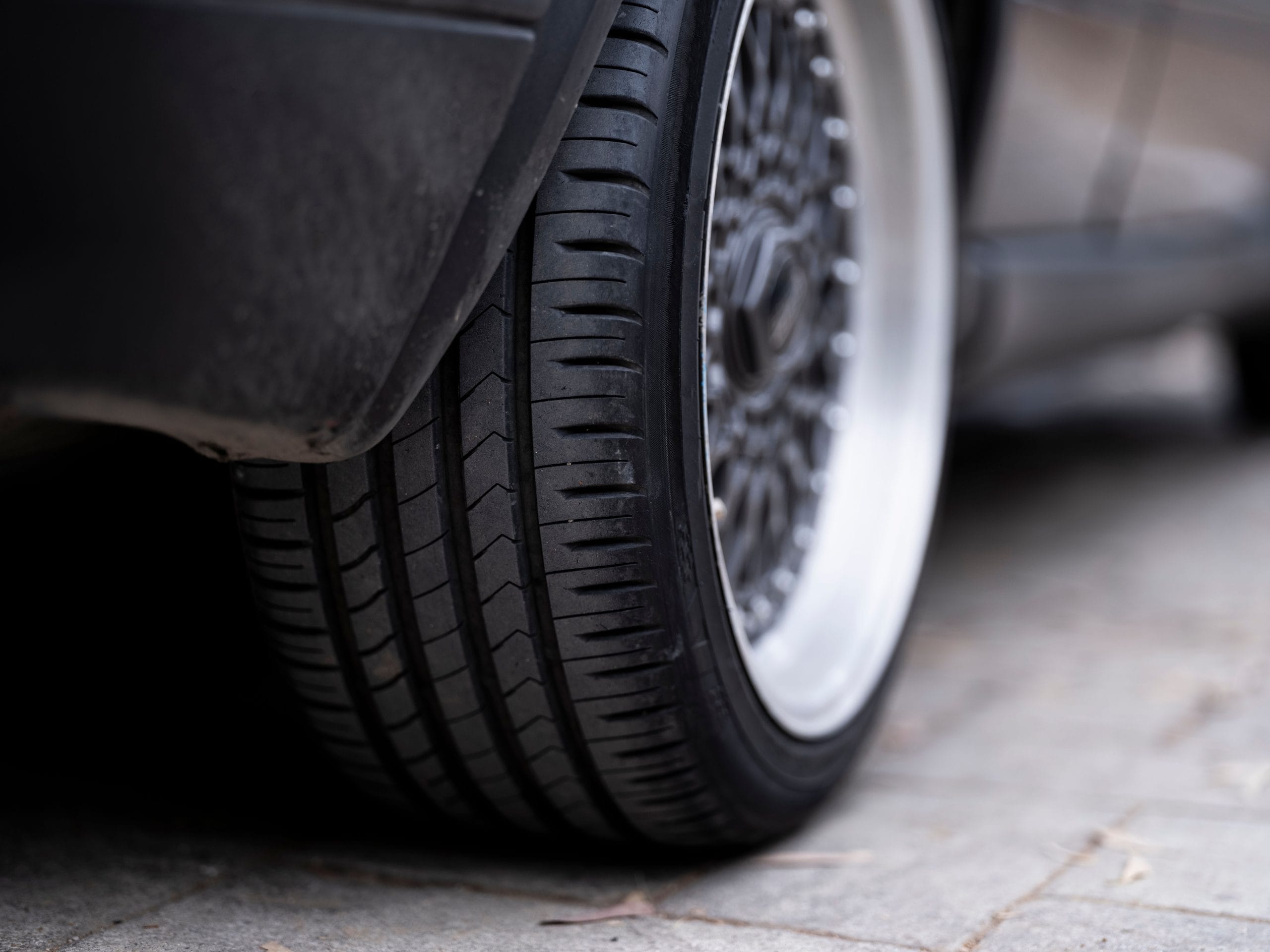

Tires are one of those expenses that sneak up on you. You don’t think about them much until you’re standing in a shop looking at a $600-800 bill for a full set of new ones. The good news is that how long your tires actually last has a lot more to do with how you treat them than most drivers realize. With a few consistent habits, you can extend tire life by tens of thousands of miles — which means fewer replacements, more money saved, and a safer car in the meantime.
Table of Contents
Why Tires Wear Out Faster Than They Should
Most tires are rated to last somewhere between 40,000 and 80,000 miles, depending on the type and brand. Yet plenty of drivers end up replacing theirs far earlier — often without understanding why. In most cases, it comes down to a handful of preventable habits: underinflated tires, skipped rotations, misaligned wheels, aggressive driving, or simply ignoring the wear signs until it’s too late.
The frustrating part is that none of these issues are complicated to fix. They just require a little consistency.
Keep Your Tires Properly Inflated
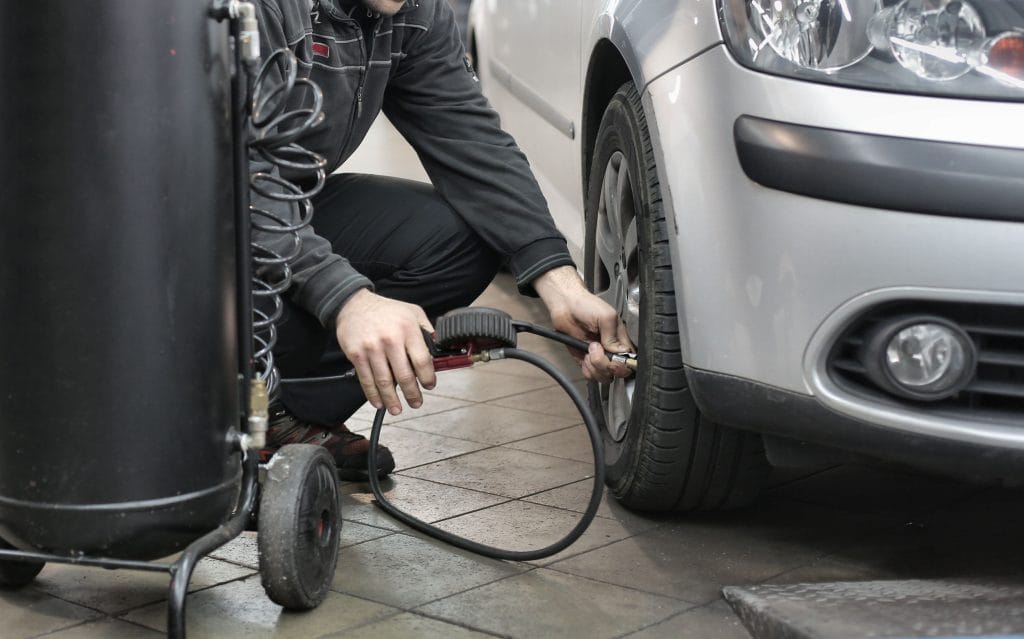
This is, hands down, the single most effective way to extend tire life, and it’s also the most commonly ignored. Underinflated tires flex more as they roll, which generates excess heat and causes the outer edges to wear down faster than the center. Overinflated tires cause the opposite problem, wearing down the center of the tread while reducing your grip and comfort.
Check your tire pressure at least once a month, and always when the tires are cold (before driving, ideally). The correct pressure for your car is listed on a sticker inside the driver’s door frame, not on the tire itself — the number printed on the tire is the maximum, not the recommended pressure.
A cheap tire pressure gauge costs under $10 and pays for itself many times over in tire longevity alone.
Rotate Your Tires on a Regular Schedule
Front and rear tires wear differently depending on your car’s drivetrain, weight distribution, and how you drive. Front-wheel-drive cars, for example, tend to wear front tires faster because they handle both steering and most of the power delivery.
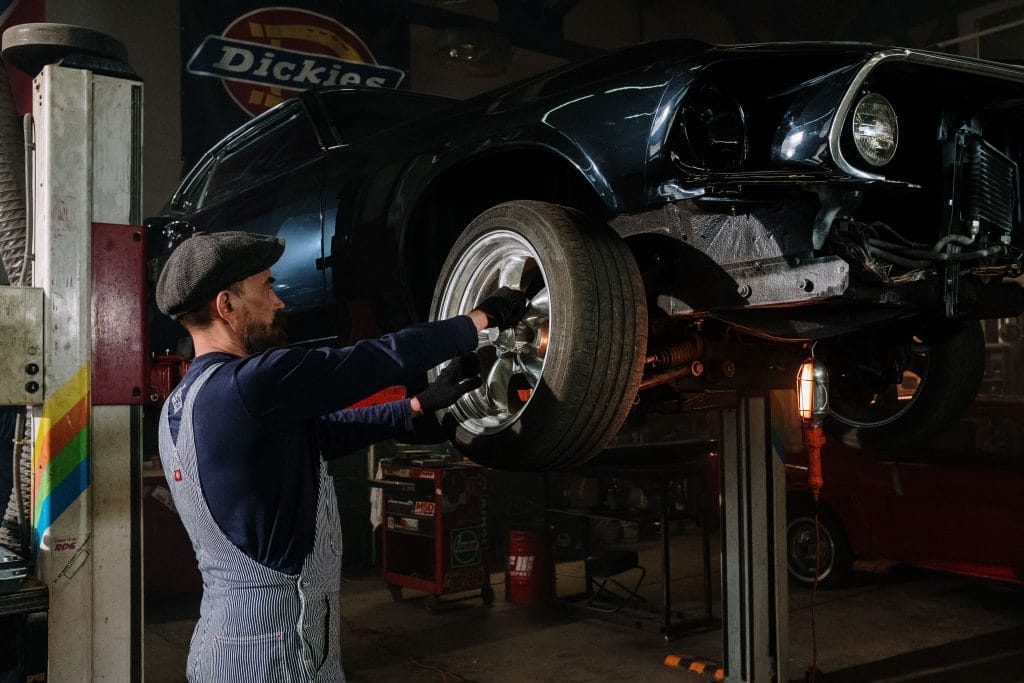
Rotating your tires every 5,000-7,500 miles (often lining up conveniently with oil changes) evens out this wear across all four tires. Instead of replacing two worn-out tires early while the other two still have plenty of life left, rotation lets you get full, even use out of the entire set.
Get Your Wheels Aligned and Balanced
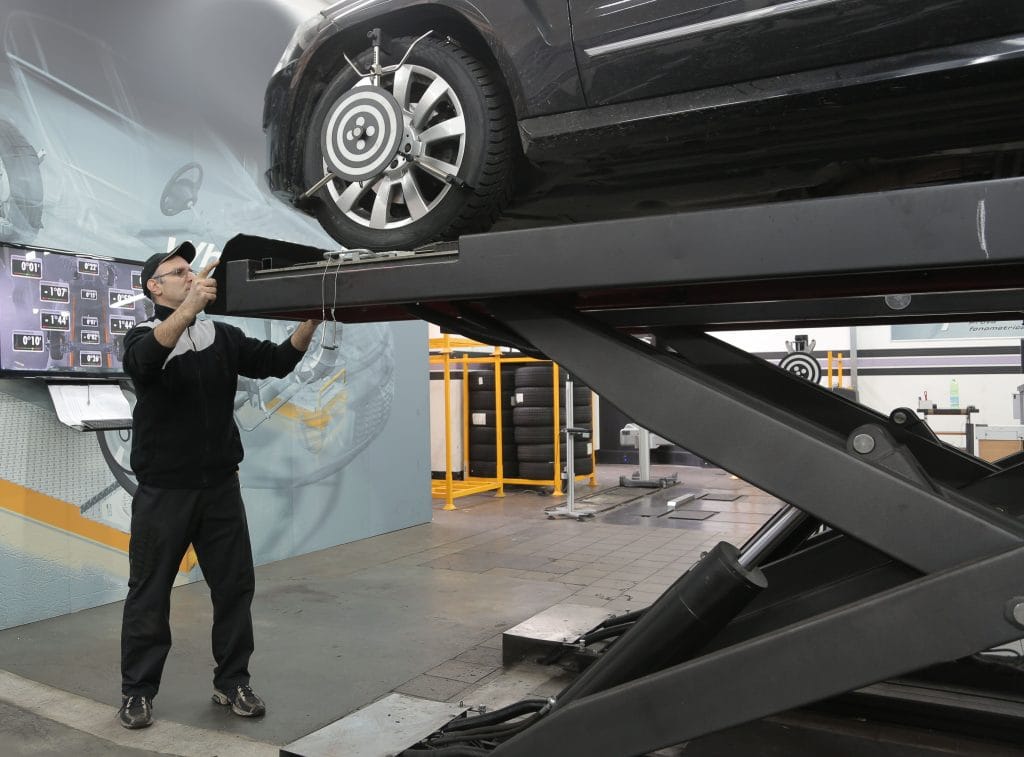
Misaligned wheels cause tires to wear unevenly — sometimes dramatically so, even after just a few thousand miles. Common signs of misalignment include your car pulling slightly to one side, uneven tread wear on one edge of a tire, or your steering wheel sitting slightly off-center when driving straight.
It’s worth having your alignment checked at least once a year, and definitely after hitting a significant pothole, curb, or after installing new tires. Wheel balancing, which corrects for slight weight differences around each tire, should also be done whenever you get new tires or notice vibration at highway speeds.
Adjust Your Driving Habits
How you drive has a bigger impact on tire wear than most people expect. Hard acceleration, sudden braking, and sharp cornering all generate extra friction and heat, which accelerates tread wear significantly. Smoother, more gradual acceleration and braking not only extends tire life but also improves fuel economy as a nice side benefit — something worth keeping in mind however you’re comparing fuel costs across gas, hybrid, and electric vehicles.
Speed matters too — consistently driving at higher speeds generates more heat in the tires, which breaks down the rubber compound faster over time.

Don’t Ignore Tread Depth
Beyond just watching mileage, keep an eye on your actual tread depth. The simplest way to check is the penny test: insert a penny into the tread groove with Lincoln’s head facing down. If you can see all of his head, your tread is too worn and it’s time for new tires.
Driving on worn tread doesn’t just shorten the life of the tire — it also significantly reduces traction, especially in wet or icy conditions, which is a genuine safety risk beyond just the cost factor.
Store and Park Smart
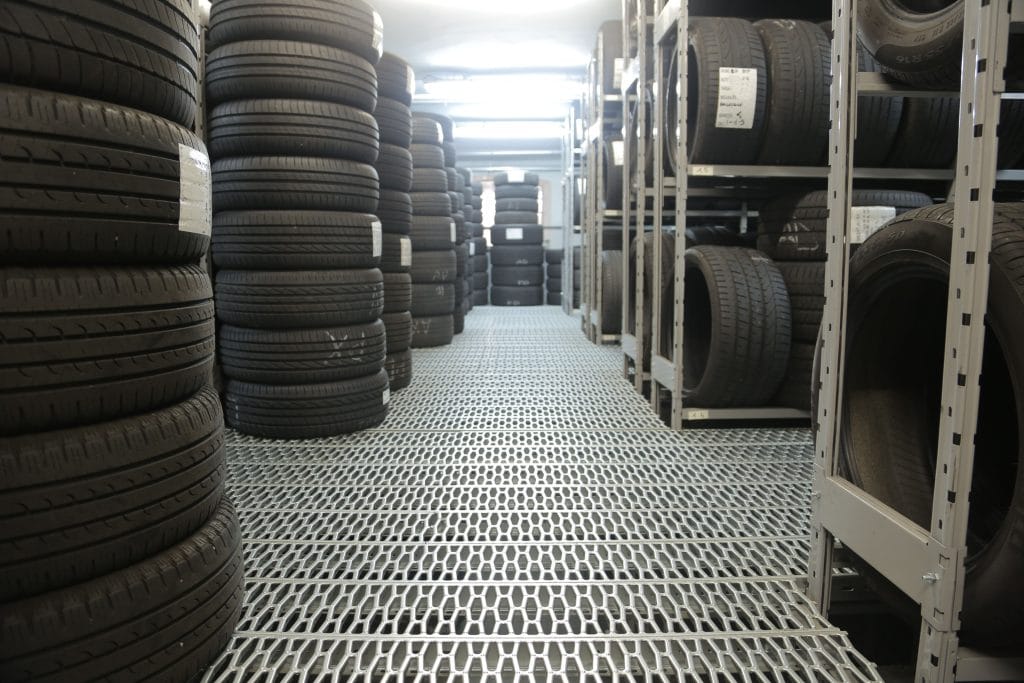
If you have a second set of tires (like winter tires) that aren’t currently mounted, store them somewhere cool, dry, and out of direct sunlight — UV exposure and heat both degrade rubber over time even when tires aren’t being driven on. For tires that are on the car, try to avoid parking for long periods in direct, intense sun when possible, since prolonged heat exposure gradually breaks down the rubber compound.
How Much Can You Actually Save?
If proper inflation, rotation, and alignment together add even 15,000-20,000 extra miles to a set of tires, that can easily delay a $600-800 replacement by a year or more. Multiply that across the life of a car, and consistent tire care can save drivers well over a thousand dollars over several years — not counting the fuel savings from properly inflated tires, which also improve gas mileage.
“Before you get too deep into tire maintenance, make sure you made the right call on the car itself — check out our First Car Buying Guide for tips on choosing a reliable vehicle from the start.”
Final Thoughts
Extending tire life isn’t about buying premium tires or expensive treatments — it’s about a handful of simple, consistent habits: checking pressure monthly, rotating on schedule, keeping your wheel alignment in check, driving a bit smoother, and paying attention to tread depth before it becomes a safety issue. None of these take much time or money, but together they add real years and thousands of miles to a set of tires that would otherwise wear out far too soon.
Frequently Asked Questions
1. How often should I check my tire pressure?
At least once a month, and ideally before any long road trip. Always check when tires are cold, since driving heats up the air inside and gives an inaccurate reading.
2. How often should tires be rotated to extend tire life?
Every 5,000-7,500 miles is the general recommendation, which often aligns conveniently with routine oil changes, making it easy to remember.
3. Does wheel alignment really make that much difference?
Yes. Even a slightly misaligned wheel can cause noticeably uneven and accelerated tread wear over just a few thousand miles, shortening tire life significantly if left unaddressed.
4. What’s the easiest way to check if my tires need replacing?
The penny test is a quick, reliable method: insert a penny into the tread groove with Lincoln’s head facing down. If you can see the top of his head, the tread is too worn and it’s time for new tires.
5. Do driving habits actually affect how long tires last?
Absolutely. Hard acceleration, sudden braking, and aggressive cornering all increase friction and heat, which wears down tread significantly faster than smoother, more gradual driving.
6. Can proper tire care really save me money?
Yes. Combining proper inflation, regular rotation, and alignment checks can add thousands of extra miles to a set of tires, potentially delaying a full replacement by a year or more and saving hundreds of dollars.