
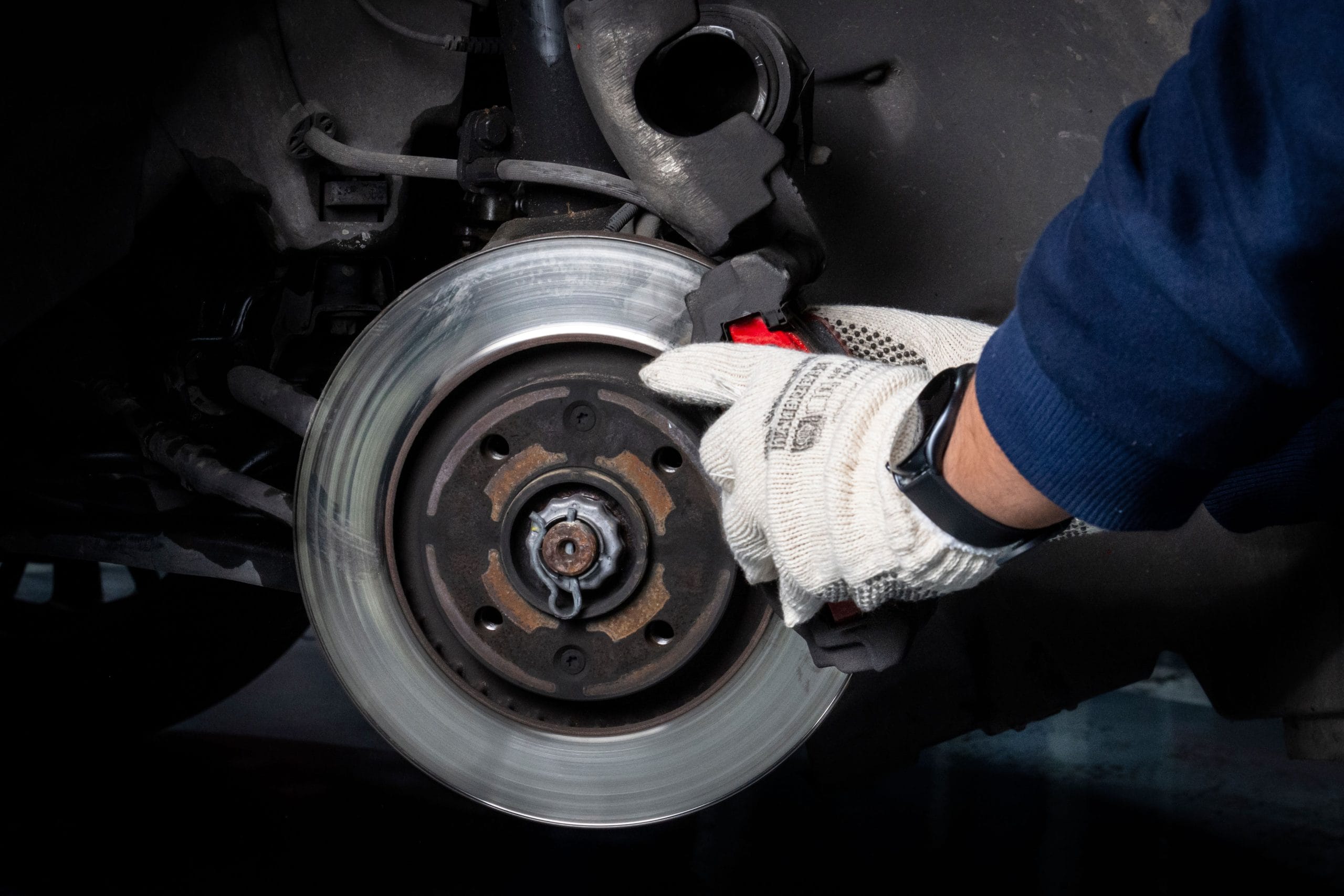

Your brakes are probably the single most important safety system on your car, yet most drivers don’t think about them until something feels off. The good news is that worn brake pads almost always announce themselves before they fail completely. Learning to recognize the brake pad warning signs early means you get to schedule a routine replacement on your own terms, instead of discovering the problem the hard way — with a longer stopping distance or a much bigger repair bill.
Table of Contents
1. A High-Pitched Squealing Noise When You Brake
This is the classic, unmistakable warning sign, and it’s actually built in on purpose. Most brake pads have a small metal wear indicator that’s designed to make contact with the rotor once the pad material gets too thin. It produces a sharp, high-pitched squeal specifically when you apply the brakes, and often stops as soon as you release the pedal.
If you hear this sound, it doesn’t mean you’re stranded, but it does mean it’s time to get your brake pads checked soon rather than waiting for your next scheduled service.
2. A Deep Grinding Sound
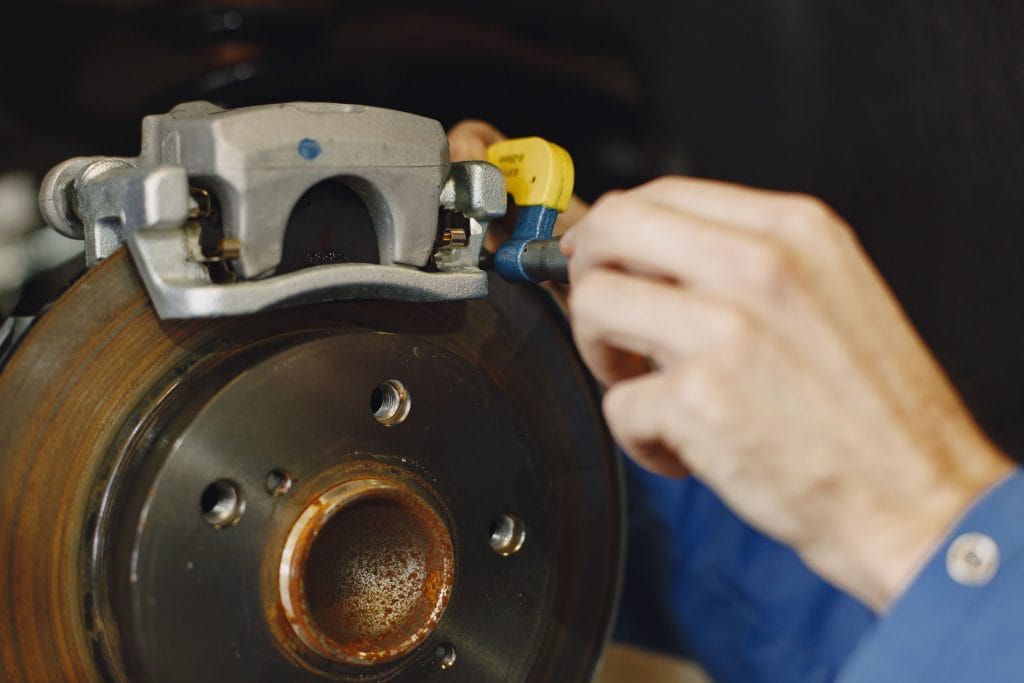
If squealing is your car’s polite warning, grinding is the urgent one. A grinding or growling sound while braking usually means the pad material has worn away completely, and metal is now grinding directly against your rotor. This causes real damage to the rotor itself, which turns a simple pad replacement into a more expensive rotor replacement as well.
If you hear grinding, treat it as a sign to get your brakes inspected right away, not “whenever you get a chance.”
3. Reduced Responsiveness or a Soft Brake Pedal
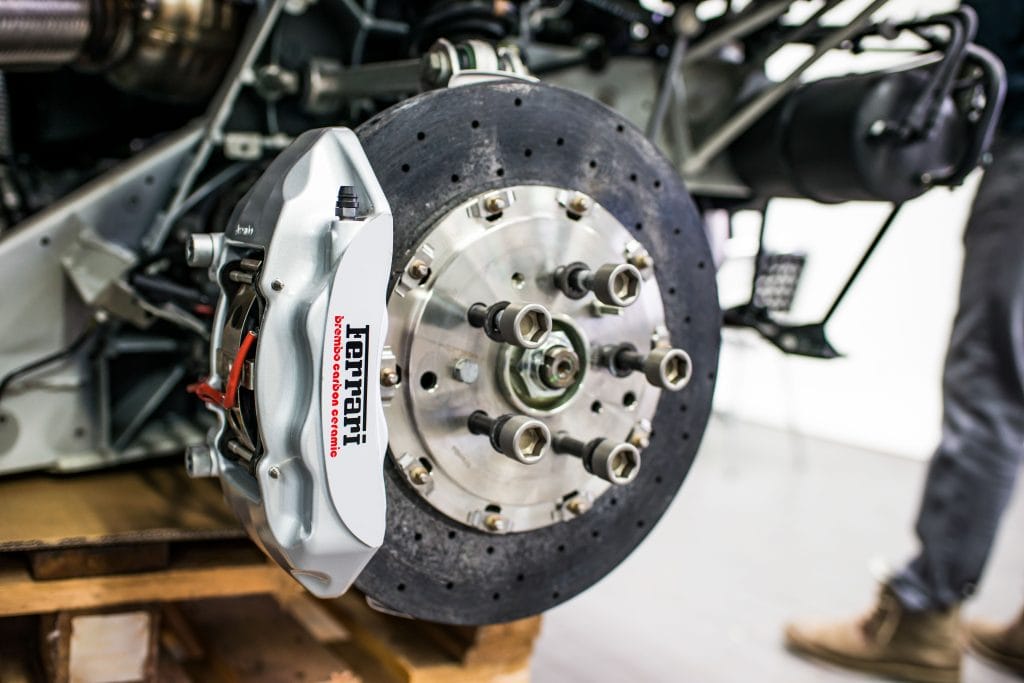
Pay attention to how your brake pedal feels, not just how your car sounds. If the pedal feels softer than usual, sinks closer to the floor before engaging, or you find yourself pressing harder to get the same stopping power, that’s one of the more serious brake pad warning signs. It can indicate worn pads, but it can also point to air in the brake lines or a fluid leak, both of which need prompt attention — and if your car is still under warranty, it’s worth checking whether the repair is covered before paying out of pocket. Our guide to warranty and service packages breaks down what’s typically included..
4. Your Car Pulls to One Side When Braking
If your car noticeably drifts left or right when you brake, rather than stopping in a straight line, it often means the brake pads are wearing unevenly between the two front wheels. This can happen due to a stuck caliper, uneven pad wear, or a fluid issue affecting one side more than the other.
This symptom is also a safety concern beyond just pad wear, since it can affect your control of the vehicle during sudden stops.
5. Vibration or Pulsing in the Brake Pedal
A pulsing sensation in the pedal when you brake, especially at higher speeds, often points to warped rotors — but it’s frequently connected to worn or unevenly worn brake pads that failed to distribute pressure evenly over time. If you feel this vibration consistently, it’s worth having both your pads and rotors inspected together.
6. Visible Wear When You Look at the Pad
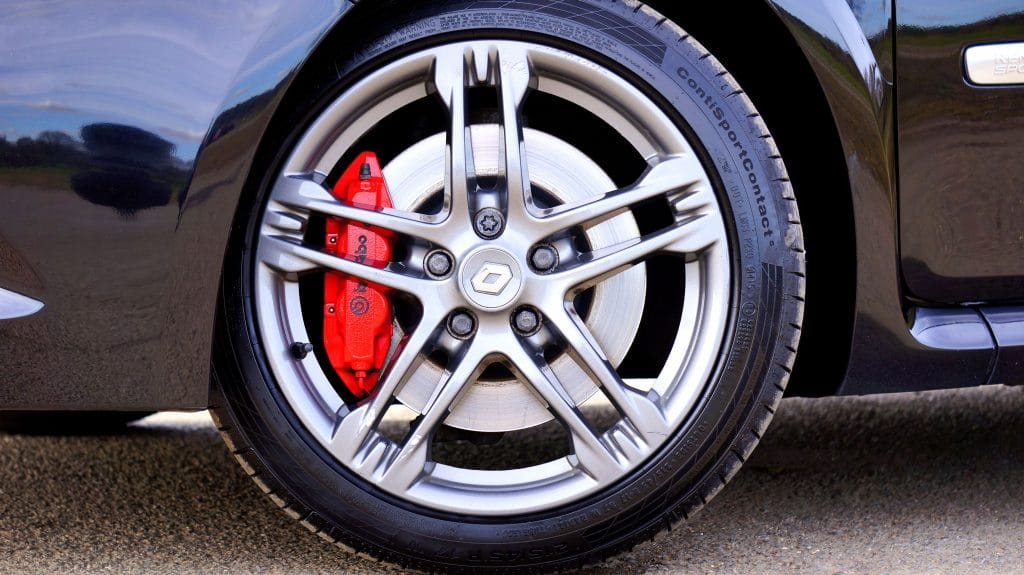
You can often visually check your brake pad thickness without removing the wheel, just by looking through the gaps in your wheel’s spokes. A healthy pad is usually at least a quarter-inch (about 6mm) thick. If the pad looks thinner than that, especially under a quarter-inch, it’s time to plan a replacement soon.
If you’re not confident identifying this visually, any auto parts store or mechanic can do a quick, often free, brake inspection in just a few minutes.
7. A Brake Warning Light on Your Dashboard
Many newer vehicles include brake pad wear sensors that trigger a dashboard warning light once the pads reach a minimum thickness. If this light comes on, don’t ignore it, even if you don’t notice any unusual noise or feel yet — the sensor is designed to catch the problem before it becomes audible or noticeable while driving.
8. A Burning Smell After Heavy Braking
A sharp, burning smell after a long downhill drive or repeated hard braking can indicate overheated brake pads, which wear out faster under that kind of stress. Occasional overheating after unusually demanding driving isn’t necessarily a red flag on its own, but if it happens during normal, everyday driving, it’s worth having your brakes checked, since it may point to worn pads or a dragging caliper.
Why You Shouldn’t Wait to Replace Worn Brake Pads
Ignoring these signs doesn’t just risk your safety — it also tends to make the repair more expensive. Once brake pads wear down completely, the metal backing plate grinds against the rotor, which usually means you’ll need to replace both pads and rotors instead of just the pads. A routine brake pad replacement often costs somewhere between $150 and $300 per axle, while adding rotor replacement can push that number significantly higher.
Beyond the cost, worn brakes directly affect your stopping distance, which matters most in exactly the moments you can least afford it — sudden stops, wet roads, or emergency maneuvers.
How Long Do Brake Pads Typically Last?
Most brake pads last somewhere between 30,000 and 70,000 miles, though this varies widely based on your driving habits, the type of pad material, and your typical driving environment. Frequent city driving with lots of stop-and-go traffic wears pads down faster than highway driving, and aggressive braking habits accelerate wear regardless of where you drive.
Final Thoughts
Your brakes will almost always tell you when something’s wrong — you just have to be paying attention. Squealing, grinding, pulling, pulsing, or a soft pedal are all brake pad warning signs worth taking seriously, and catching them early keeps both your wallet and your safety in better shape. If in doubt, a quick inspection is a small price to pay for the peace of mind of knowing your brakes will do their job exactly when you need them to.
If your brake pads need attention, it’s worth checking the rest of your car’s maintenance schedule too to make sure nothing else is overdue.
Frequently Asked Questions
1. Is it safe to drive with squealing brakes?
For a short period, yes, but it shouldn’t be ignored. Squealing usually means the wear indicator has been triggered, signaling that a pad replacement should happen soon before wear progresses to grinding.
2. What does it mean if my brakes are grinding?
Grinding typically means the brake pad material is completely worn away and metal is contacting the rotor directly. This causes rotor damage and should be addressed as soon as possible.
3. How often should brake pads be replaced?
Most brake pads last between 30,000 and 70,000 miles, but this depends heavily on driving habits and conditions. Frequent city driving and aggressive braking will wear pads down faster than highway driving.
4. Can worn brake pads damage other parts of my car?
Yes. Once brake pads wear completely, the metal backing plate can grind against the rotor, causing damage that often requires rotor replacement in addition to new pads.
5. Why does my car pull to one side when I brake?
This often indicates uneven brake pad wear between the front wheels, which can be caused by a stuck caliper or uneven pad contact. It’s worth having inspected since it can also affect vehicle control during braking.
6. Is a soft brake pedal always a sign of worn pads?
Not always — it can also indicate air in the brake lines or a fluid leak. Either way, a noticeably softer than usual should be inspected promptly since it affects your ability to stop safely.