


Every car buyer eventually asks the same question: sedan or SUV? Salespeople will throw numbers at you — horsepower, cargo volume, ground clearance — but none of that tells you which one actually fits how you live day to day. This isn’t a spec sheet comparison. It’s a real-world look at what changes once you’re the one behind the wheel, dropping kids at school, loading groceries, or driving three hours in the rain.
The honest answer to sedan vs SUV isn’t “one is better.” It’s “one is better for you,” and that depends on details most articles skip.
Table of Contents
The Quick Answer
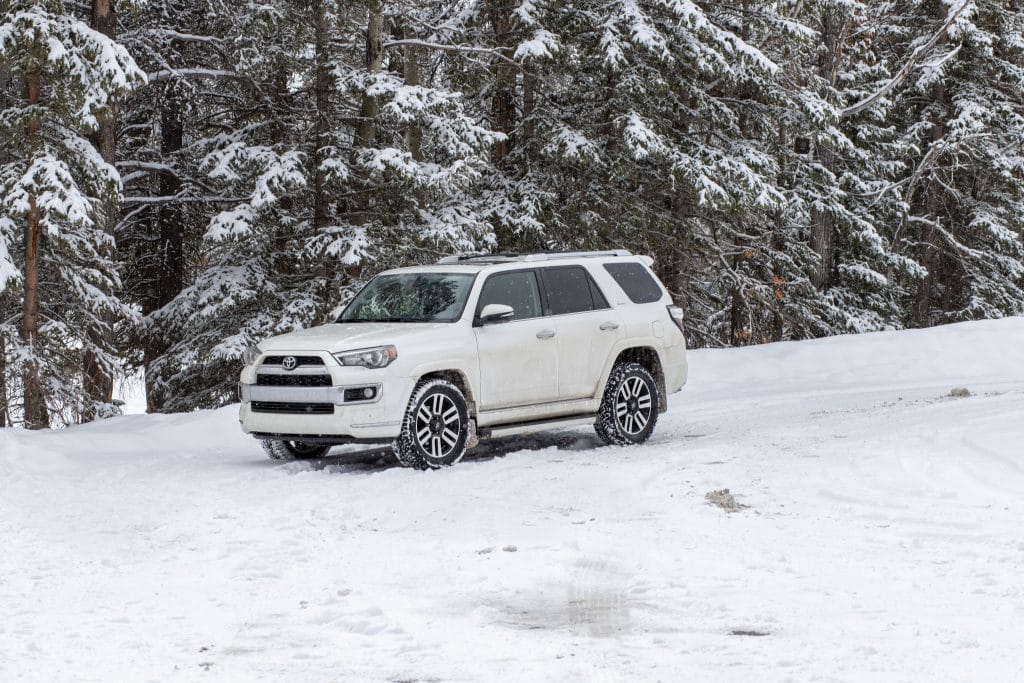
There’s no universal winner in the sedan vs SUV debate — only what actually matches your daily routine. A sedan rewards you with lower costs, easier parking, and a smoother ride. An SUV rewards you with space, versatility, and confidence in rough conditions. The smartest move isn’t picking the trendier option — it’s being honest about how you actually use your car week to week, then choosing the body style that supports that life, not the one that just looks good in the driveway. If this is your first car, our first car buying guide for new drivers walks through the rest of the decision beyond just body style.
That’s the short version. Here’s the reasoning behind it, category by category.
Sedan vs SUV: Which One Actually Has More Space?
A common myth in the sedan vs SUV debate is that SUVs always win on space — but that’s only half true. SUVs do have the edge in cargo volume and rear-seat headroom, especially with the rear seats folded down, which matters if you often carry strollers, sports gear, or furniture.
Sedans, on the other hand, often have a larger, more usable trunk for their size, because the trunk is a separate, enclosed space rather than an open cargo area shared with passengers. So when it comes to sedan vs SUV space, if your “cargo” is mostly luggage and grocery bags rather than bulky items, a sedan’s trunk can be just as practical — sometimes more.
Who Actually Needs the Extra Space
- Families with young kids: car seats, strollers, and sports equipment make an SUV’s flexible cargo area genuinely useful.
- Frequent solo or couple drivers: a sedan’s trunk is usually enough, and you gain better fuel economy in exchange.
Sedan vs SUV Cost: The Difference Adds Up Over Years, Not Months
The price difference between a sedan and a comparable SUV isn’t always huge upfront, especially with used cars. Where the sedan vs SUV cost gap really shows up is over time, not in the first few months of ownership.
Fuel Costs
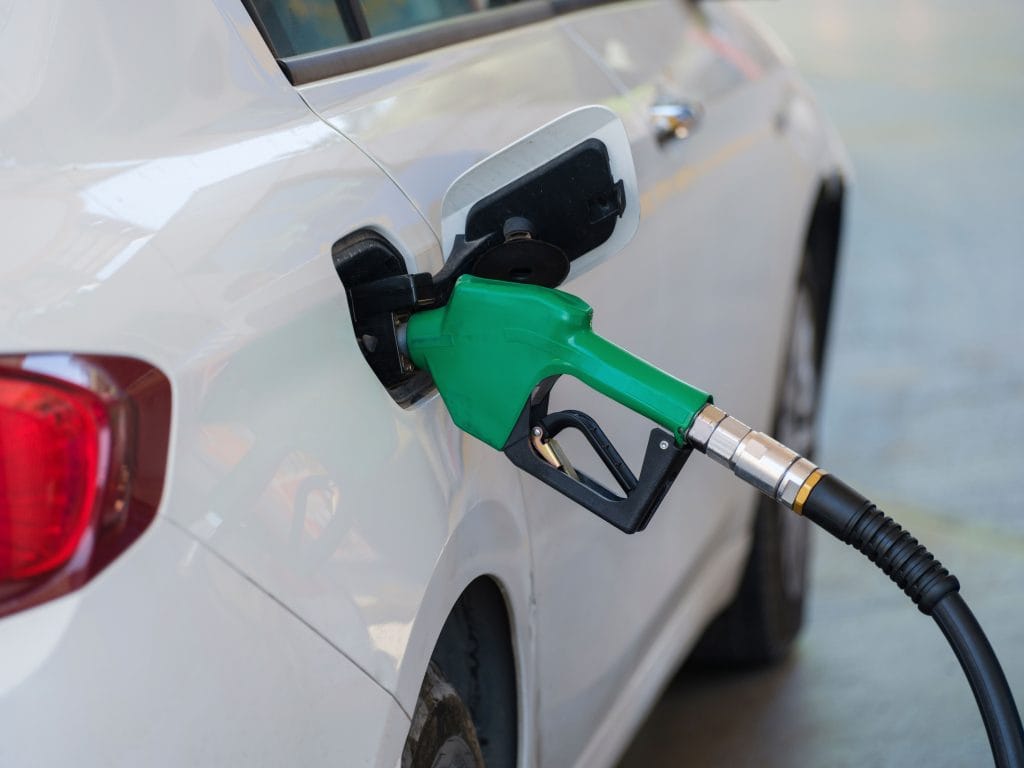
SUVs are heavier and less aerodynamic, so they typically use more fuel than a sedan of similar size and engine type — often noticeably more in city driving. You can compare real EPA fuel economy ratings for specific models on fueleconomy.gov before deciding.
Insurance and Maintenance
SUVs can cost slightly more to insure and maintain, partly due to larger tires, brakes, and — in the case of all-wheel-drive models — more complex drivetrains. A front-wheel-drive sedan is usually the cheaper, simpler option to keep running long-term.
Safety: Both Can Be Excellent, but for Different Reasons
This is where a lot of buyers get it wrong. A bigger vehicle isn’t automatically a safer one — safety depends far more on the specific model, its safety features, and crash test results than on body style alone.
That said, there are real physics at play:
- SUVs sit higher, giving the driver a better view of the road and surrounding traffic, which can help with reaction time.
- Sedans sit lower, which generally means a lower center of gravity and better handling stability, especially in emergency maneuvers or highway driving.
Rather than assuming either type is safer, check independent crash-test ratings for the specific models you’re considering at IIHS.org before making a decision.
Driving Experience: City Streets vs Open Road
If most of your driving happens in traffic-heavy areas or tight parking garages, a sedan’s smaller footprint and lower driving position often make it easier and less stressful to drive daily. Parking, lane changes, and tight turns all feel more manageable.
If your drives involve highways, longer trips, unpaved roads, or occasional bad weather, an SUV’s higher ground clearance and, in many models, available all-wheel drive can make a real difference in confidence and control.
Weather and Terrain Matter More Than People Think
- Snow, gravel, or rural roads: an SUV with all-wheel drive is a meaningful practical advantage, not just a marketing feature.
- Mostly city and highway driving on paved roads: a sedan will handle just as well, often with better fuel economy and a smoother ride.
Resale Value: A Quiet but Important Factor
SUVs have generally held strong demand in the used car market in recent years, which can help resale value — but this varies significantly by brand and model, not just body style. Some sedans, particularly well-known reliable models, hold their value just as well or better than lesser-known SUVs.
Before buying either, it’s worth checking resale trends for the specific model you’re considering rather than assuming SUVs automatically resell better across the board.
Real-Life Scenarios: Which One Fits You
You commute alone in the city and care about parking and gas costs. A sedan is almost always the more practical, lower-stress choice.
You have kids, pets, or regularly haul gear. An SUV’s flexible cargo space and easier entry/exit height make daily life noticeably simpler.
You take long road trips or drive in bad weather often. An SUV, ideally with all-wheel drive, gives you more confidence and capability.
You want the best possible fuel economy and lowest running costs. A sedan — especially a hybrid sedan — will almost always cost less to own over time.
You value a smoother, more car-like driving feel over cargo space. A sedan’s lower center of gravity typically delivers a more connected, comfortable ride on paved roads.
Final Verdict
At the end of the day, the sedan vs SUV decision isn’t really about which one is “better” — it’s about which one disappears into your life instead of fighting against it. A sedan that sits unused because it can’t handle your gear, or an SUV you’re constantly paying to fuel and park because you never needed the extra space, are both the wrong car for different reasons. The right choice is simply the one that matches how you actually live, not how you imagine you might live someday.
Whichever body style you land on, remember that the sticker price is only part of the real cost of ownership — insurance premiums, fuel economy, and maintenance can vary significantly between a sedan and an SUV of similar price. Before you commit, it’s worth checking our car insurance cost comparison by model to see how your choice might affect your monthly costs long after the test drive is over.
“Once you’ve decided between a sedan and an SUV, the next step is making sure the specific used car you’re eyeing is actually in good shape — check out our [10 Used Car Red Flags You Should Never Ignore] before you buy.”
FAQ
Is an SUV really safer than a sedan?
Not automatically. Safety depends on the specific model’s crash-test ratings and safety features far more than on body style. Check independent ratings before assuming either type is safer.
Do SUVs really use more gas than sedans?
Generally yes, because they’re heavier and less aerodynamic, though the exact difference varies by model and engine. Compare specific fuel economy ratings before deciding.
Is a sedan or SUV better for a family?
It depends on family size and how much gear you regularly carry. Families with young children, strollers, or sports equipment often find an SUV more practical, while smaller families may find a sedan’s trunk more than sufficient.
Which one holds its value better, a sedan or an SUV?
It varies significantly by specific model rather than body style alone. Some SUVs hold value strongly due to demand, but many reliable sedans hold their value just as well.