
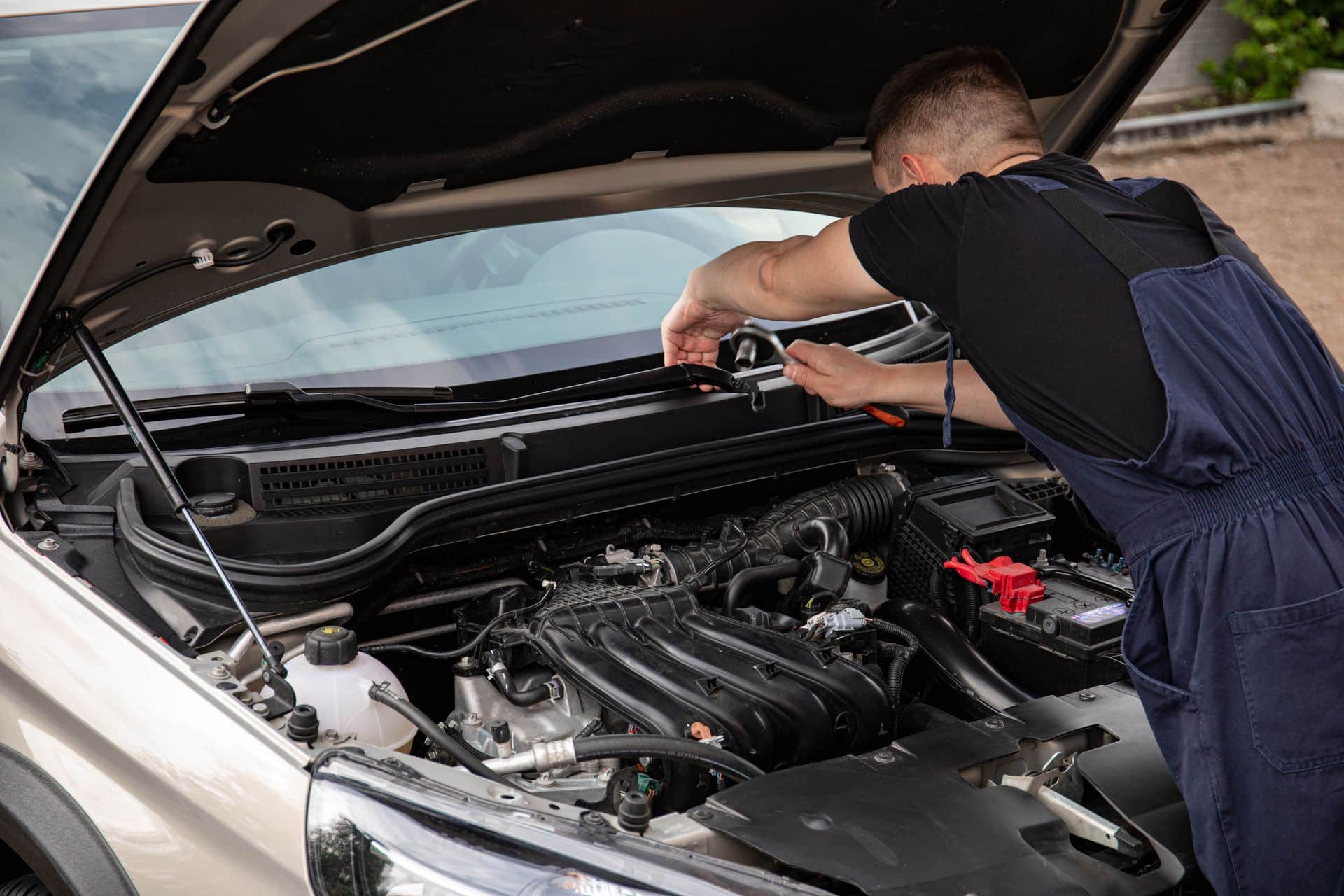

Used car red flags are the difference between a great deal and a costly mistake. Buying used can save you thousands compared to new — but only if the car you’re buying is actually what it appears to be. Sellers don’t always volunteer information about accidents, flood damage, or mechanical problems, which is exactly why knowing the common used car red flags to watch for matters more than any amount of haggling.
Table of Contents
Paperwork Red Flags to Check First
No VIN or a VIN That Doesn’t Match
Every legitimate used car should have a Vehicle Identification Number that matches across the dashboard, driver’s door frame, and title. If a seller is reluctant to share the VIN, or the numbers don’t match, walk away — this is one of the clearest used car red flags in the paperwork stage, and it often points to a stolen vehicle or a swapped title.
Missing Service Records
A car with no maintenance history isn’t automatically bad, but it does mean you’re buying blind. Sellers who can’t produce oil change receipts, timing belt records, or inspection reports may simply be disorganized — or they may be hiding years of neglect.
Physical Warning Signs During Inspection
Mismatched Paint or Uneven Panel Gaps
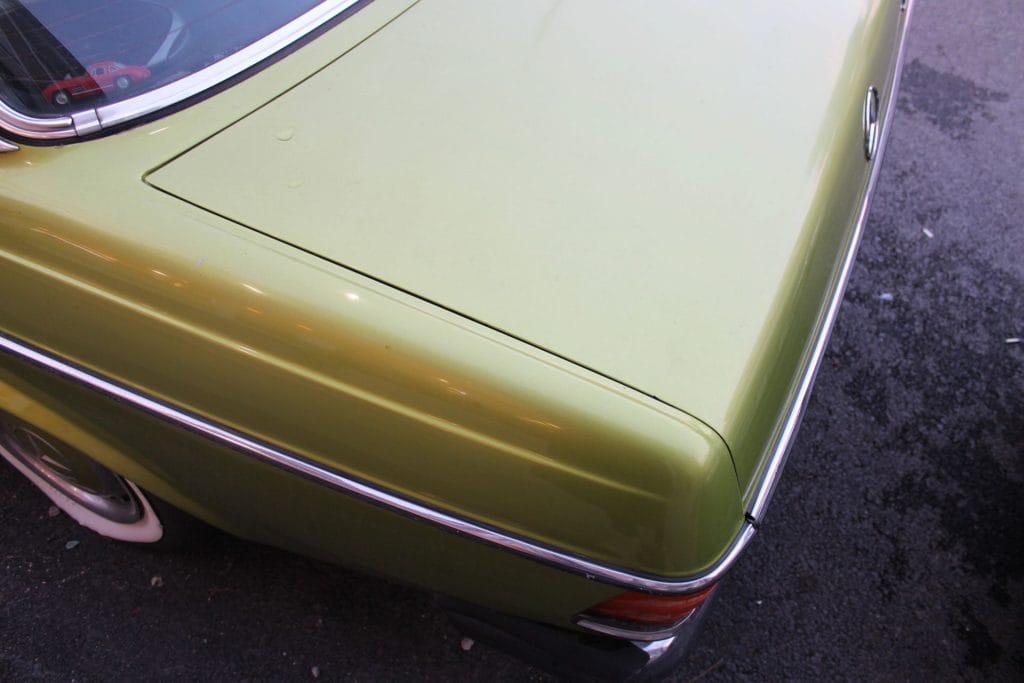
Run your hand along each body panel in natural daylight. Slight color differences between panels, or gaps that aren’t perfectly even side to side, often mean a panel was replaced after an accident — even if the seller insists the car has a clean history.
Musty Smells or an Overpowering Air Freshener
A musty, mildew smell is one of the more serious used car red flags, since it often points to flood damage that can quietly destroy wiring, sensors, and airbag systems over time. Ironically, an unusually strong air freshener smell can be just as suspicious — sellers sometimes use it to mask the very odor they’re trying to hide.
Rust in Unusual Places
Surface rust on an older car’s undercarriage can be normal depending on climate. Rust inside the trunk’s spare tire well, under the carpets, or around wiring brackets is a different story — these are classic signs of prior flood damage rather than everyday wear.
Mechanical Red Flags to Watch For
Dashboard Warning Lights
Check engine, ABS, and airbag lights should all briefly illuminate when you turn the key, then switch off. If a light stays on — or if none of them light up at all, which can mean bulbs were removed to hide a problem — treat it as a serious used car red flag worth a mechanic’s opinion before you go further.
Unusual Exhaust Smoke or Engine Noise
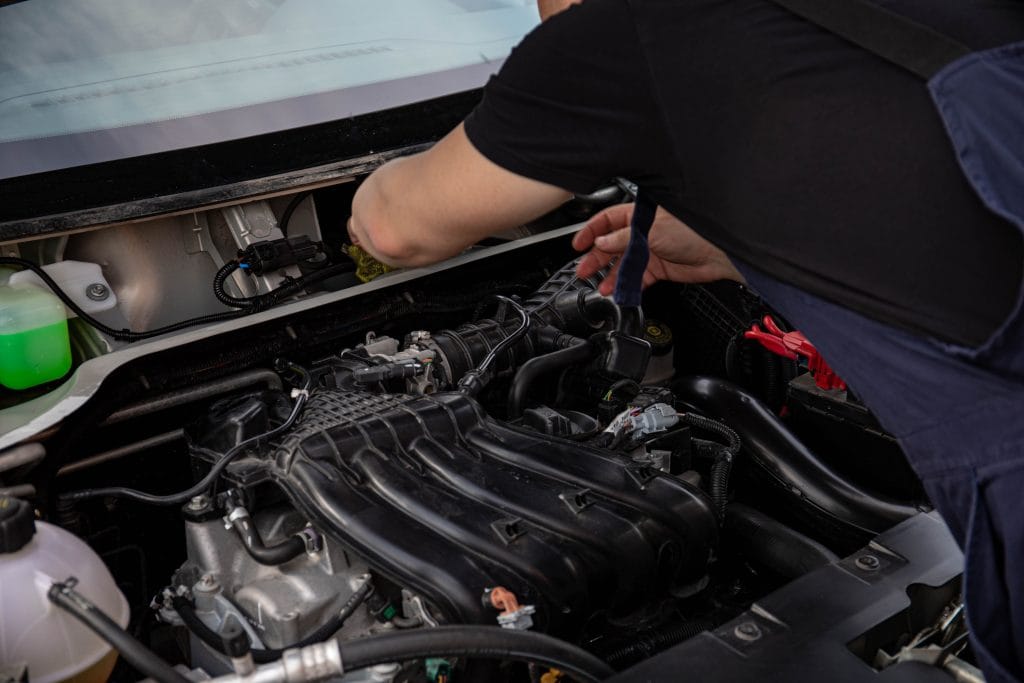
Start the car cold and watch the exhaust. Blue smoke suggests the engine is burning oil, white smoke can point to a coolant leak, and black smoke usually means the engine is running rich. Any knocking or ticking sounds from the engine bay deserve a second opinion before you buy.
Fluid Leaks Underneath the Car
Park the car in one spot for at least twenty minutes, then check the pavement underneath. Oil, coolant, transmission fluid, or brake fluid leaks all point to problems that can turn an affordable used car into an expensive repair project fast.
Seller Behavior Red Flags
Pressure to Buy Immediately
“Someone else is coming to look at it this afternoon” is one of the oldest tricks in the book. Legitimate sellers rarely need to rush you — pressure tactics are one of the more reliable used car red flags precisely because honest sellers have nothing to gain from urgency.

Refusing an Independent Inspection
Any seller who won’t allow a pre-purchase inspection by a mechanic of your choosing is telling you something important, even if they never say it out loud. This single red flag alone is reason enough to walk away from an otherwise appealing deal.
What to Do If You Spot a Red Flag
Spotting one of these used car red flags doesn’t always mean the deal is dead. Sometimes it just means asking more questions, requesting a vehicle history report from a service like Carfax or AutoCheck, or bringing in a mechanic before you commit. But if a seller reacts defensively to reasonable questions, or several red flags show up at once, that’s usually your answer.
For a full walkthrough of what to check before you buy, see our used car inspection checklist, where we break down exactly what to look for panel by panel.
Frequently Asked Questions
What is the biggest red flag when buying a used car?
A mismatched or altered VIN (Vehicle Identification Number) is one of the most serious red flags, as it often indicates a stolen or previously totaled vehicle. Other major red flags include a rebuilt or salvage title, active fluid leaks, and a seller who refuses to allow an independent inspection.
How can I tell if a used car has been in an accident?
Look for uneven panel gaps, mismatched paint color between body panels, overspray on rubber trim, and a hood or trunk that doesn’t close evenly. A vehicle history report (like Carfax or AutoCheck) can also reveal past accident records.
Is it a red flag if a seller won’t let me get an independent inspection?
Yes. A legitimate seller should have no problem letting you take the car to a trusted mechanic for a pre-purchase inspection. Refusal to allow this is one of the clearest warning signs of a hidden problem.
What does a rebuilt or salvage title mean?
A salvage title means the car was declared a total loss by an insurance company, usually due to major accident damage, flood damage, or theft recovery. A rebuilt title means the car was repaired and passed inspection, but it can still carry hidden structural or mechanical issues and significantly lower resale value.
Should I be worried if the odometer reading seems low for the car’s age?
Yes, unusually low mileage combined with signs of heavy wear (worn pedals, cracked steering wheel, faded seats) may indicate odometer rollback or fraud. Always cross-check the mileage with service records and past inspection reports.