


Buying your first car is one of those milestones that feels huge and confusing at the same time. You’re excited about the freedom it brings, but you’re also staring at a sea of listings, loan terms, and insurance quotes with no idea where to start. If that sounds like you, take a breath — this first car buying guide is built specifically for new drivers who want to make a smart choice without getting overwhelmed or ripped off.
Unlike experienced buyers who’ve been through this a few times, first-time drivers usually don’t know what red flags to look for, how much a car really costs beyond the sticker price, or which features actually matter versus which ones are just marketing. Let’s walk through everything step by step.
Table of Contents

First Car Buying Guide Step 1: Start With a Realistic Budget
The biggest mistake new drivers make is falling in love with a car before checking whether they can actually afford it — not just to buy, but to own.
Your budget needs to account for more than the purchase price:
- Insurance — new drivers pay significantly higher premiums, especially for sports cars or high-performance vehicles
- Fuel costs based on your daily commute
- Maintenance and repairs, which vary a lot by brand and age
- Registration, taxes, and fees
- A loan payment, if you’re financing
A general rule many financial advisors suggest: your total monthly car costs shouldn’t exceed 15-20% of your take-home pay. If you’re a student or just starting your career, aim even lower.
First Car Buying Guide Step 2: New vs. Used — What Makes Sense
There’s no universal right answer here, but for most new drivers, a reliable used car in the 3-6 year range hits the sweet spot. Here’s why:
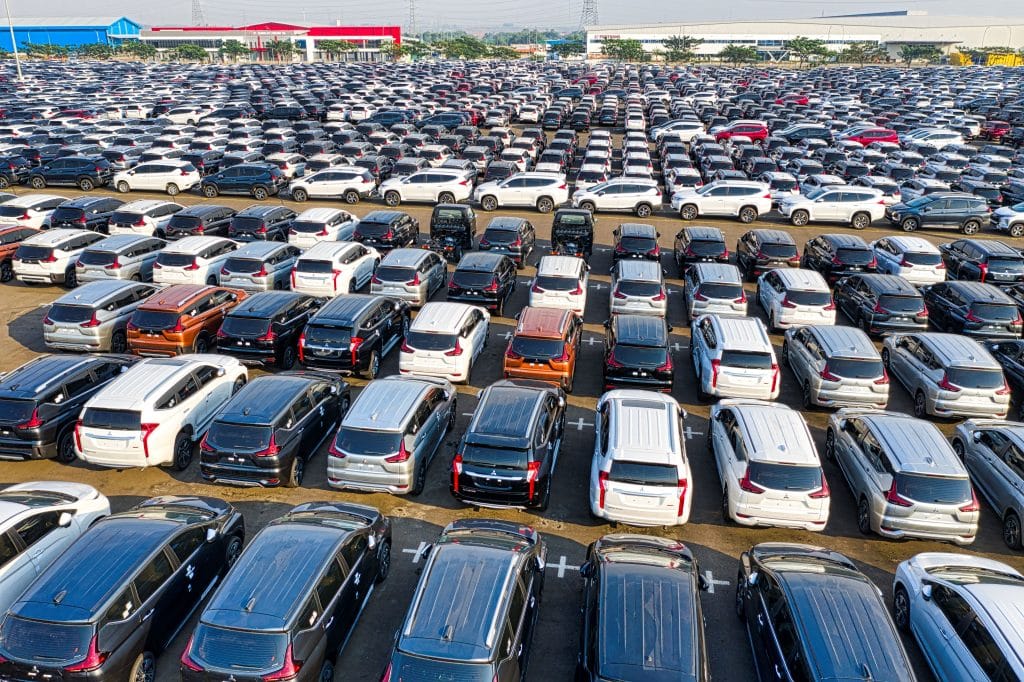
Used cars have already taken the steepest depreciation hit (new cars lose roughly 20% of their value in the first year alone), so you’re not throwing money away the moment you drive off the lot. They’re also cheaper to insure and register.
New cars come with warranties and the latest safety tech, which can be appealing if you want peace of mind and predictable costs. But the higher price tag and insurance premiums often make them a tough choice for a first car unless your budget comfortably allows it.
If you do go used, stick to models known for reliability rather than chasing something flashy — a boring, dependable car will save you far more stress (and money) than a car that looks exciting but breaks down constantly.
First Car Buying Guide Step 3: Prioritize Safety Features
As a new driver, safety should sit near the top of your checklist, not as an afterthought. Look for:
- Anti-lock brakes (ABS) — standard on most cars now, but confirm on older used models
- Electronic Stability Control (ESC)
- Multiple airbags (front, side, curtain)
- A strong crash-test rating from IIHS or NHTSA
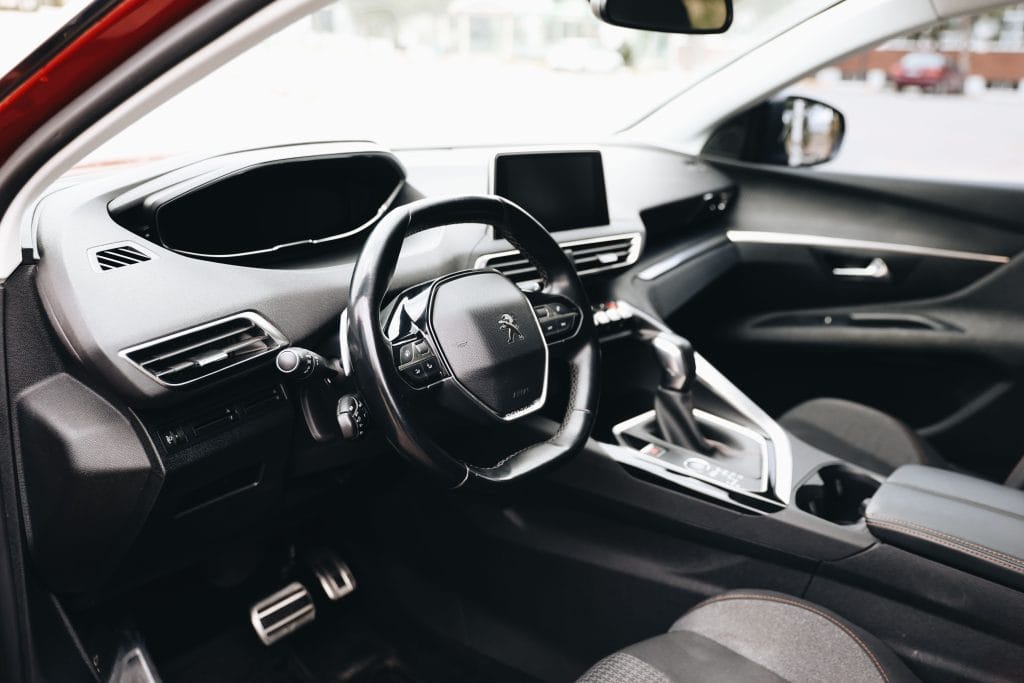
- Backup camera, especially helpful while you’re still building parking confidence
Newer used cars (say, from the last 5-8 years) often include driver-assist features like lane departure warnings or blind-spot monitoring, which can be genuinely useful while you’re still developing your instincts on the road.
First Car Buying Guide Step 4: Don’t Skip the Pre-Purchase Inspection
This is the step new drivers skip most often, and it’s the one that saves the most money and heartache. Before finalizing any used car purchase:
- Get a vehicle history report (CarFax or similar) to check for accidents, title issues, or flood damage.
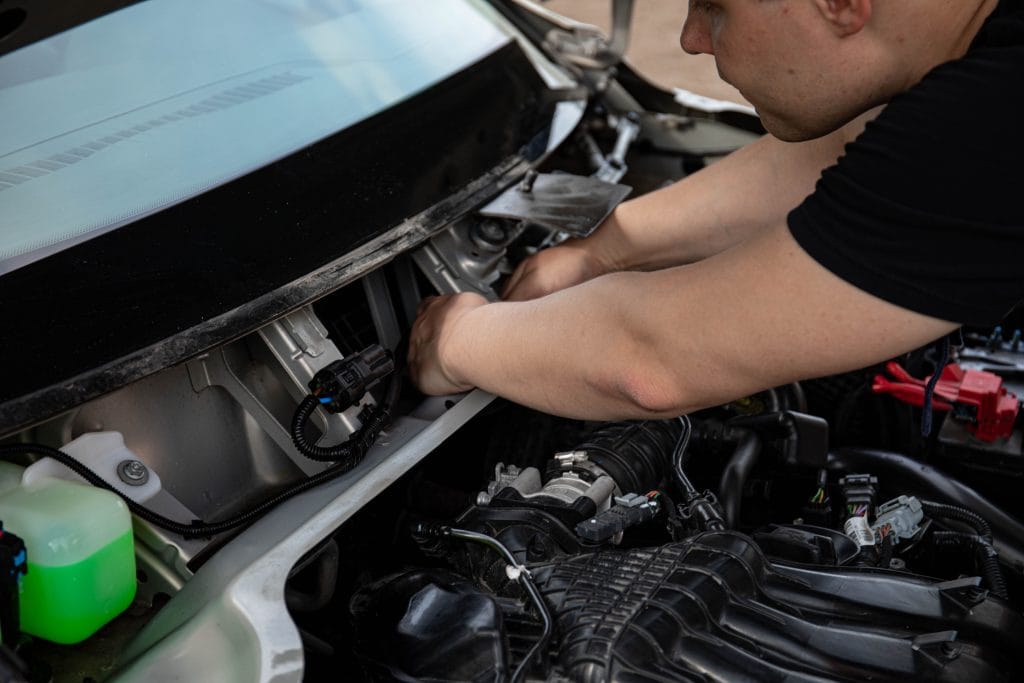
- Take it to an independent mechanic for a pre-purchase inspection — this usually costs $100-150 and can reveal issues the seller didn’t mention.
- Test drive it on both highway and city streets, and pay attention to unusual noises, vibrations, or how it handles braking.
- Check that all electronics, lights, and AC/heating actually work.
A seller who’s reluctant to let you get an independent inspection is a warning sign in itself.
Understand Total Cost of Ownership Before You Sign
It’s easy to focus only on the price tag, but the real cost of a car unfolds over the following years. Before committing, research:
- Average annual maintenance costs for that specific make and model
- Resale value trends, in case you want to upgrade in a few years
- Common issues reported by other owners for that model year
- Fuel economy, especially if you’ll be driving frequently
A car that’s $2,000 cheaper upfront but needs constant repairs isn’t actually a deal.
Financing Tips for First-Time Buyers
If you need a loan, a few things can save you real money:
- Get pre-approved by your bank or credit union before visiting dealerships — it gives you negotiating leverage and a clear budget ceiling.
- Avoid overly long loan terms. Stretching payments to 72 or 84 months lowers your monthly bill but often means paying more in interest and risking being “underwater” on the loan.
- Watch the total interest, not just the monthly payment. Dealers sometimes advertise low monthly payments while extending the loan term to make an expensive car seem affordable.
- Have a co-signer ready if your credit history is thin — it can significantly lower your interest rate.
Before signing anything, make sure you know exactly what to check — our Used Car Inspection Checklist walks you through every step of a thorough pre-purchase inspection.
Final Thoughts
Choosing your first car doesn’t have to feel like a gamble. Set a realistic budget that includes ownership costs, lean toward a reliable used vehicle with solid safety features, always get an independent inspection, and understand your financing terms before you sign anything. Following this first car buying guide won’t just help you find a car — it’ll help you build good habits as a buyer that will serve you well for every car you own after this one.
Take your time, ask questions, and don’t let excitement rush you into a decision you’ll regret in six months. The right first car is one that’s safe, affordable, and reliable enough to let you focus on becoming a confident driver.
What’s the best type of car for a first-time driver?
A reliable, mid-size sedan or compact hatchback with good safety ratings and low horsepower is usually the safest bet. These cars are easier to handle, cheaper to insure, and less likely to encourage risky driving compared to sports cars or high-powered vehicles.
Should new drivers buy a new car or a used car?
For most new drivers, a used car that’s around 3-6 years old offers the best balance of affordability, lower insurance costs, and reduced depreciation loss. New cars can be a good option if your budget comfortably covers the higher price and insurance premiums.
How much should a first car cost?
As a general guideline, your total monthly car expenses — including payments, insurance, fuel, and maintenance — shouldn’t exceed 15-20% of your take-home income. The exact purchase price will depend on your overall budget and whether you’re financing or paying cash.