


Car insurance policies are full of terms that sound important but rarely get explained in plain language — liability, collision, comprehensive, uninsured motorist, and half a dozen others, all bundled into a quote that just tells you a monthly number. Most drivers end up either overpaying for coverage they don’t need or, worse, underinsured in ways they don’t realize until something actually happens. This car insurance guide walks through each major coverage type in plain English, so you can make an informed decision instead of just taking whatever your agent recommends at face value.
Table of Contents
Liability Coverage: The Legal Minimum
Liability coverage is required in nearly every state, and it’s the foundation of any car insurance guide because it protects you financially if you cause an accident. It’s actually split into two parts:
Bodily injury liability covers medical expenses, lost wages, and legal costs if you injure someone else in an accident you caused. Property damage liability covers the cost of repairing or replacing someone else’s vehicle or property.
Liability coverage does not pay for your own injuries or your own car’s damage — it only covers the other party. State minimums are often surprisingly low, sometimes as little as $25,000 in bodily injury coverage per person, which can fall short in a serious accident. Many financial advisors recommend carrying higher liability limits than your state’s minimum, since a lawsuit exceeding your coverage limit means you could be personally responsible for the difference. For a full breakdown of how liability stacks up against collision, comprehensive, and other coverage types, see our car insurance guide.
Collision Coverage
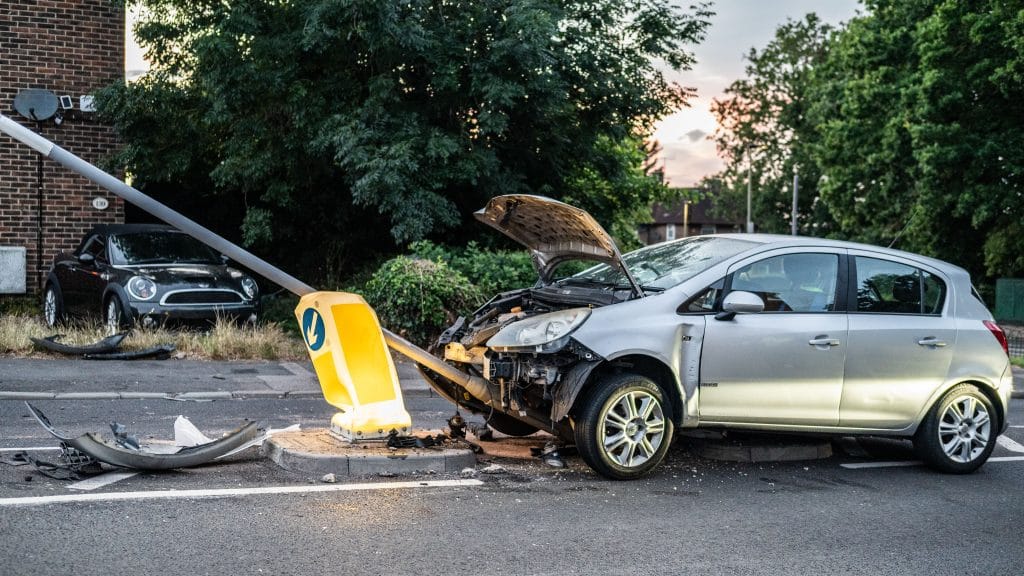
Collision coverage pays to repair or replace your own car if you’re involved in an accident, regardless of who caused it — whether you hit another vehicle, a guardrail, or even a tree. This coverage is optional in most states, but lenders typically require it if you’re financing or leasing your car.
Collision coverage comes with a deductible, meaning you pay a set amount out of pocket before insurance covers the rest. Choosing a higher deductible lowers your monthly premium but increases your out-of-pocket cost if you do file a claim, so it’s worth balancing based on how much you could comfortably afford to pay upfront.
Comprehensive Coverage
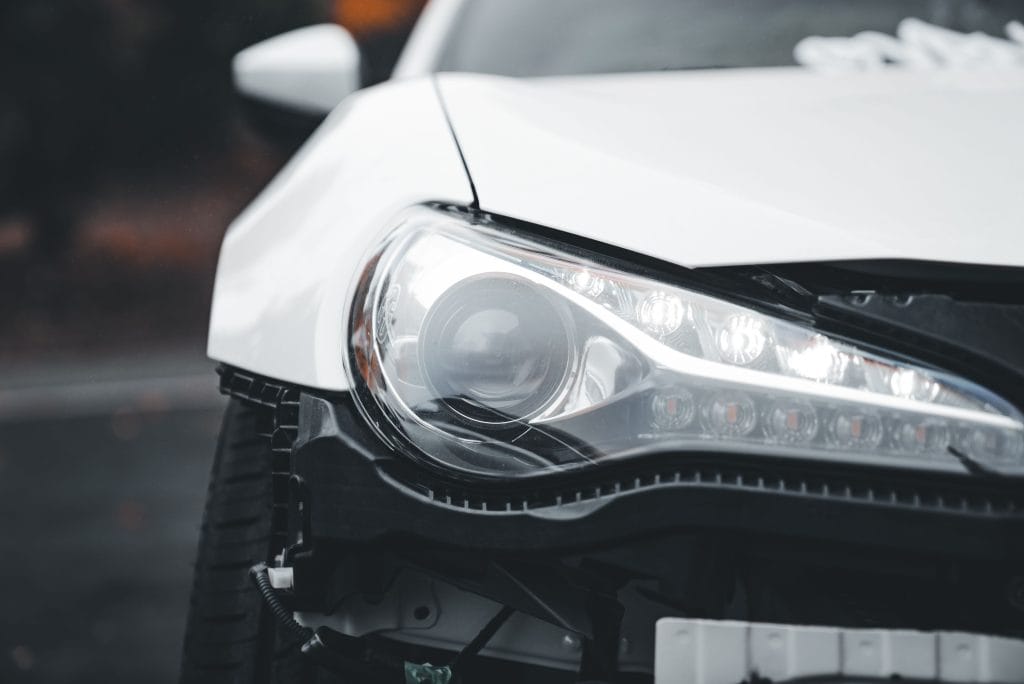
Comprehensive coverage handles damage to your car from causes other than a collision — think theft, vandalism, fire, falling objects, hail, flooding, or hitting an animal. Like collision, it’s usually optional unless required by your lender, and it also comes with its own deductible.
If you own an older car with a low market value, comprehensive coverage might cost more annually than the car itself is worth, in which case dropping it could make financial sense. For newer or more valuable vehicles, it’s generally worth keeping.

Uninsured and Underinsured Motorist Coverage
Despite insurance being legally required almost everywhere, a meaningful percentage of drivers on the road are uninsured or carry only minimal coverage. Uninsured motorist coverage protects you if you’re hit by a driver with no insurance at all, while underinsured motorist coverage kicks in when the at-fault driver’s coverage isn’t enough to cover your damages or medical costs.
This coverage type is often overlooked, but it’s one of the more important protections in this car insurance guide, since it directly protects you from situations completely outside your control.

Personal Injury Protection (PIP) and Medical Payments Coverage
These two coverage types both help pay medical expenses after an accident, regardless of who’s at fault, but they work slightly differently depending on your state. PIP is required in “no-fault” states and often covers a broader range of costs, including lost wages and rehabilitation. Medical payments coverage (sometimes called MedPay) is more limited, generally covering only medical and funeral expenses.
If your state doesn’t require PIP, MedPay is still worth considering as an affordable way to cover smaller medical costs without touching your health insurance deductible.
Gap Insurance
If you’re financing or leasing a car, gap insurance covers the difference between what you owe on the loan and what your car is actually worth if it’s totaled or stolen. Because new cars depreciate quickly, it’s entirely possible to owe more than the car’s current value in the first couple of years — gap insurance protects you from having to pay that difference out of pocket.
This coverage is especially worth considering if you made a small down payment or financed over a longer loan term, both of which increase the chances of owing more than the car is worth.

Roadside Assistance and Rental Reimbursement
These are smaller add-ons, but they’re worth knowing about. Roadside assistance covers things like towing, jump-starts, flat tire changes, and lockouts. Rental reimbursement covers the cost of a rental car while yours is in the shop after a covered claim. Neither is essential, but both are relatively inexpensive additions that can save real hassle if you ever need them.
How to Decide What Coverage You Actually Need
There’s no single right answer, since it depends on your car’s value, your financial situation, and how much risk you’re comfortable carrying yourself. As a general approach:
If you’re financing or leasing, you’ll likely be required to carry collision and comprehensive coverage regardless of preference. If you own an older car outright with low market value, you might reasonably drop collision and comprehensive to save money. Regardless of your car’s value, carrying liability limits higher than your state’s minimum is usually a smart move, since it protects your personal assets in the event of a serious accident.
Choosing the right coverage matters, but so does choosing the right car in the first place — check out our First Car Buying Guide to make sure your next vehicle fits both your budget and your insurance needs.
Final Thoughts
Car insurance doesn’t have to feel like a black box of confusing terms. Liability protects others if you’re at fault, collision and comprehensive protect your own car, uninsured motorist coverage protects you from other drivers’ mistakes, and smaller add-ons like gap insurance or roadside assistance fill in specific gaps depending on your situation. Understanding what each coverage type actually does puts you in a much better position to choose a policy that fits your needs, rather than just accepting whatever bundle your insurer suggests.
Frequently Asked Questions
1. What’s the difference between collision and comprehensive coverage?
Collision covers damage from accidents involving another vehicle or object, regardless of fault. Comprehensive covers non-collision damage like theft, vandalism, weather events, or hitting an animal.
2. Is liability insurance enough, or do I need more coverage?
Liability alone doesn’t cover your own car or injuries, only the other party’s. Whether you need more depends on your car’s value and financial situation, but most drivers benefit from adding at least collision and comprehensive coverage.
3. Do I really need uninsured motorist coverage?
It’s highly recommended, since a meaningful percentage of drivers carry no insurance or only minimal coverage. Without this protection, you could be left covering your own medical bills and repairs if hit by an uninsured driver.
4. What is gap insurance, and who needs it?
Gap insurance covers the difference between your loan balance and your car’s actual value if it’s totaled. It’s most useful for drivers who financed with a small down payment or a longer loan term, since new cars depreciate quickly.
5. Can I drop collision and comprehensive coverage on an older car?
Yes, if you own the car outright and its market value is low, dropping collision and comprehensive can make financial sense, since the annual premium might exceed what you’d actually recover in a claim.