


Two cars can look nearly identical on paper — similar price, similar size, similar reputation — and still cost wildly different amounts to insure. That gap isn’t random. Insurers price policies based on real data about repair costs, theft rates, safety records, and claim history for each specific make and model. This car insurance cost comparison breaks down which popular vehicles tend to cost the least (and the most) to insure in 2026, and explains exactly why the numbers land where they do, so you can factor insurance into your next car purchase instead of being surprised by it afterward.
Table of Contents
Why Insurance Costs Vary So Much by Model
Before jumping into specific numbers, it helps to understand what actually drives the difference. Insurers set premiums based on a combination of factors tied to the vehicle itself: how expensive parts and labor are to repair it, how often that model gets stolen, its crash-test safety ratings, its horsepower and performance level, and historical claims data for that specific make and model.
This is why two cars with similar sticker prices can have a dramatically different insurance cost — one might have cheap, widely available parts and a strong safety record, while the other might be a frequent theft target or expensive to repair after even minor damage.

The Cheapest Cars to Insure
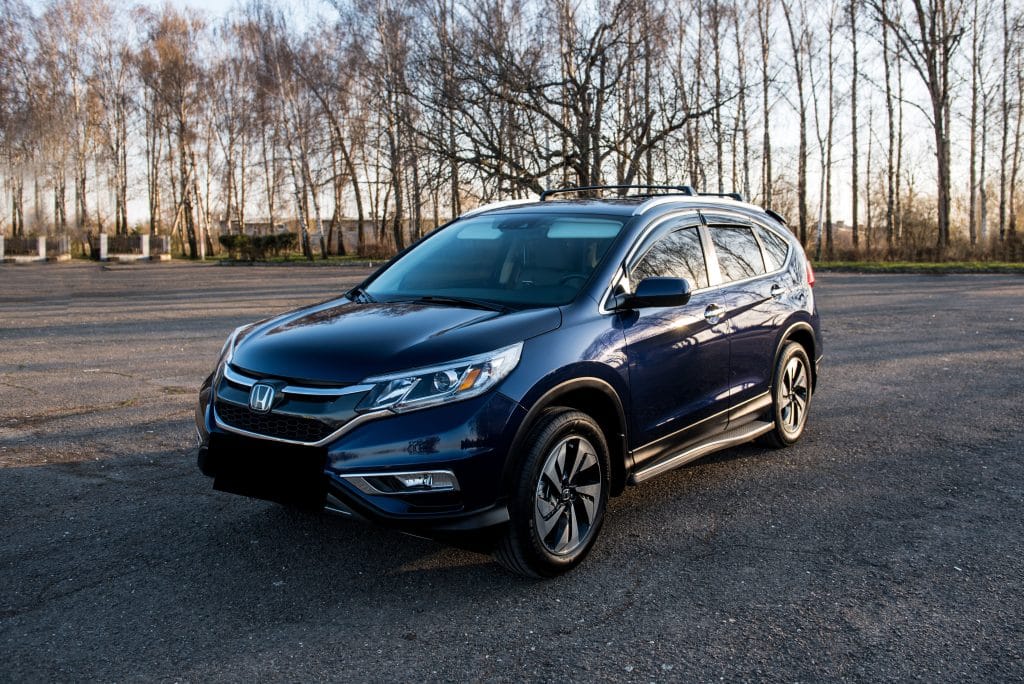
According to a large-scale industry analysis of thousands of vehicle models, compact SUVs and crossovers consistently rank as the most affordable vehicles to insure. Models like the Subaru Crosstrek, Jeep Wrangler, and Honda CR-V regularly appear near the top of “cheapest to insure” rankings, with annual full-coverage premiums often landing in the $2,300-2,500 range nationally. Other studies have found the Mazda CX-5, Subaru Forester, and Buick Envista among the most affordable options as well, sometimes with monthly full-coverage rates well below the national average.
What these vehicles tend to have in common: strong safety ratings, modest horsepower, low theft rates, and relatively inexpensive parts and repair costs. Subaru in particular shows up repeatedly across multiple affordability rankings, largely thanks to a combination of strong safety performance and lower-than-average theft rates across its lineup.
The Most Expensive Cars to Insure
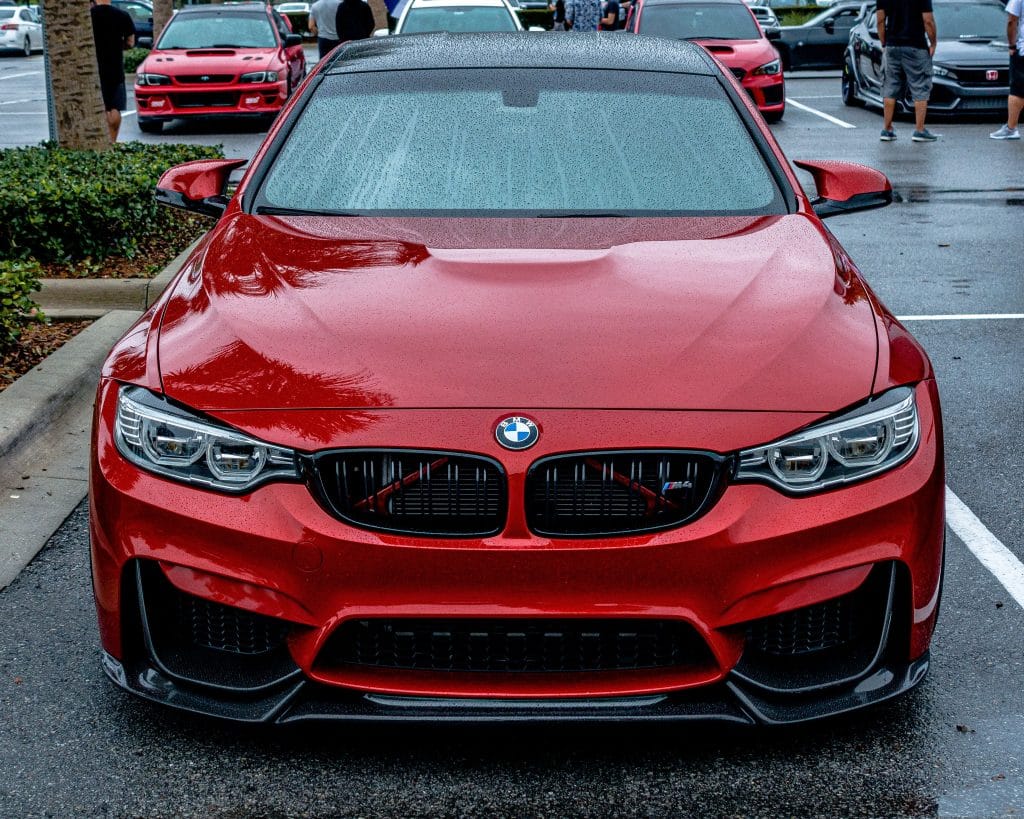
At the other end of the spectrum, high-performance and luxury vehicles dominate the “most expensive to insure” lists. BMW’s M-series performance models, for example, have topped recent rankings with annual premiums exceeding $6,500-7,000, and other high-performance luxury models like the Maserati Quattroporte have been reported with average annual premiums north of $7,000.
The reasoning is straightforward: these vehicles combine high horsepower with expensive parts, specialized labor for repairs, and a higher likelihood of costly claims. A performance variant of a car often costs meaningfully more to insure than the standard version of the same model, purely because of the added power and more expensive components.
A Surprising Middle Ground: Popular Sedans Aren’t Always Cheap
One of the more counterintuitive findings in recent car insurance cost comparisons is that some popular, everyday sedans cost more to insure than people expect — sometimes more than SUVs in a similar price range. Certain widely-owned sedan models have landed among the more expensive vehicles to insure in their category, largely because they appear frequently on lists of the most stolen vehicles in the country, which pushes up comprehensive coverage costs significantly.
This is a useful reminder that price and body style alone don’t determine your insurance cost — a practical-looking sedan can sometimes cost more to insure than a compact SUV, simply because of theft rates specific to that model.
Trucks and Large SUVs
Full-size trucks generally fall in the middle of the range, with wide variation depending on the specific model and trim. Heavier-duty trucks with more powerful engines and higher price tags tend to cost more to insure than smaller, more modest truck models, following the same basic pattern as passenger vehicles: more power and higher repair costs generally mean higher premiums.
How to Use This Information Before You Buy
If minimizing your insurance cost matters to you, here’s how to apply this car insurance cost comparison to your own car shopping:
Get quotes before you commit. Insurance costs vary enough between similar-looking vehicles that it’s worth getting a real quote for the specific model and trim you’re considering, rather than assuming based on price or category alone.
Consider the base trim over performance variants. The standard version of a car is almost always cheaper to insure than its sportier, higher-horsepower counterpart, even though they may look nearly identical.
Factor in theft rates, not just price. A car’s popularity with thieves can meaningfully affect your premium, regardless of how safe or affordable the vehicle otherwise seems.
Look at safety ratings. Vehicles with strong crash-test ratings from IIHS or NHTSA tend to receive more favorable insurance pricing, since insurers view them as lower risk for injury claims.

Final Thoughts
The gap between the cheapest and most expensive cars to insure can easily run into the thousands of dollars annually, and that gap often has less to do with a car’s price tag than with its safety record, repair costs, and theft rates. Running a car insurance cost comparison before you buy — rather than after — can meaningfully change which car makes the most financial sense, especially if you’re working with a tight monthly budget. A slightly less exciting model with a strong safety record and low theft rate can quietly save you hundreds of dollars a year compared to a flashier alternative.
Insurance is just one piece of the puzzle — see our full breakdown of first-year ownership costs to budget for everything else that comes with owning a car.
Frequently Asked Questions
1. What type of car is generally cheapest to insure?
Compact SUVs and crossovers with strong safety ratings, modest horsepower, and low theft rates are consistently among the cheapest vehicles to insure, according to recent industry data.
2. Why are luxury and performance cars so expensive to insure?
These vehicles combine high horsepower, expensive parts, and specialized repair labor, all of which increase the cost insurers expect to pay out in the event of a claim.
3. Does a car’s popularity affect insurance costs?
Yes, particularly when it comes to theft. Models that frequently appear on “most stolen vehicles” lists tend to have higher comprehensive coverage costs, even if they’re otherwise affordable and practical.
4. How much can insurance costs really vary between models?
The gap between the cheapest and most expensive vehicles to insure can be roughly $4,000-4,500 or more annually, according to recent large-scale industry analyses.
5. Should I get an insurance quote before buying a car?
Yes. Since insurance costs can vary significantly even between similar-looking vehicles, getting a quote for the specific model and trim you’re considering can help you avoid an unexpected cost after you’ve already committed to the purchase.