


You finally bought the car. The payment (or the cash) is handled, you’ve got the keys, and you’re picturing months of stress-free driving ahead. Then the first insurance bill shows up. Then registration fees. Then a random repair you didn’t see coming. If this sounds familiar, you’re not alone — most new owners drastically underestimate the true cost of car ownership, because almost every number they had in mind was just the purchase price.
Understanding what a car actually costs in its first year — not just to buy, but to own — helps you budget realistically and avoid the financial surprises that catch so many new drivers off guard.
Table of Contents
Why the Sticker Price Is Just the Beginning
When people budget for a car, they usually think in terms of one number: what they’re paying (or financing) for the vehicle itself. But the true cost of car ownership includes a long list of ongoing expenses that continue every month, whether you’re driving five miles a day or fifty.
On average, owning a car in the first year costs somewhere between $6,000 and $12,000 beyond the purchase price, depending on the vehicle, your location, and your driving habits. That’s a wide range, but breaking it down category by category makes it much easier to see where your money is actually going.
Insurance: Often the Biggest Surprise
For many new car owners — especially younger or first-time drivers — insurance ends up being the single largest recurring cost, and it’s usually the one people underestimate the most. Premiums depend on your age, driving history, location, credit history in many states, and the specific make and model of your car.
A sports car or high-performance vehicle can easily cost double or triple what a modest sedan costs to insure. New drivers, regardless of age, typically pay significantly more than experienced drivers until they build up a track record of safe driving. It’s worth getting insurance quotes before you finalize a car purchase, not after, since the difference between two similar-looking cars can be hundreds of dollars a year.

Fuel Costs Add Up Faster Than You’d Think
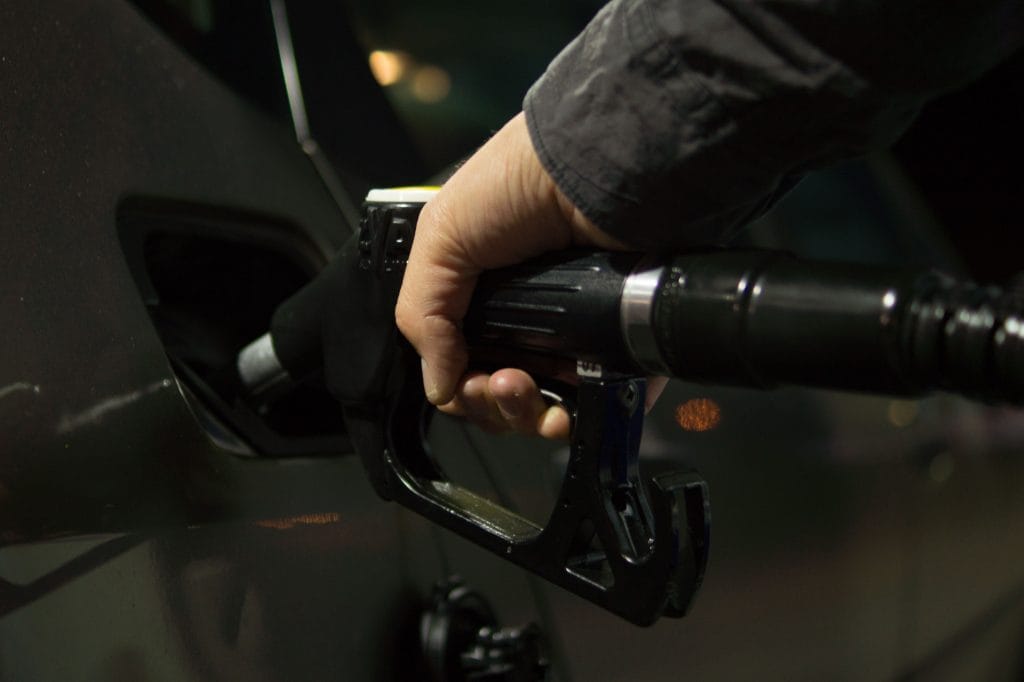
Fuel is one of those costs that feels small day to day but becomes significant once you total it over a full year. A car averaging 25 miles per gallon, driven 12,000 miles a year, burns through roughly 480 gallons of gas annually — which can easily run $1,500-2,000 or more depending on fuel prices in your area.
If fuel economy wasn’t a major factor in your buying decision, it’s worth calculating your actual annual fuel cost now so it doesn’t come as a surprise later, especially if your commute is longer than you initially planned for.
Maintenance and Repairs
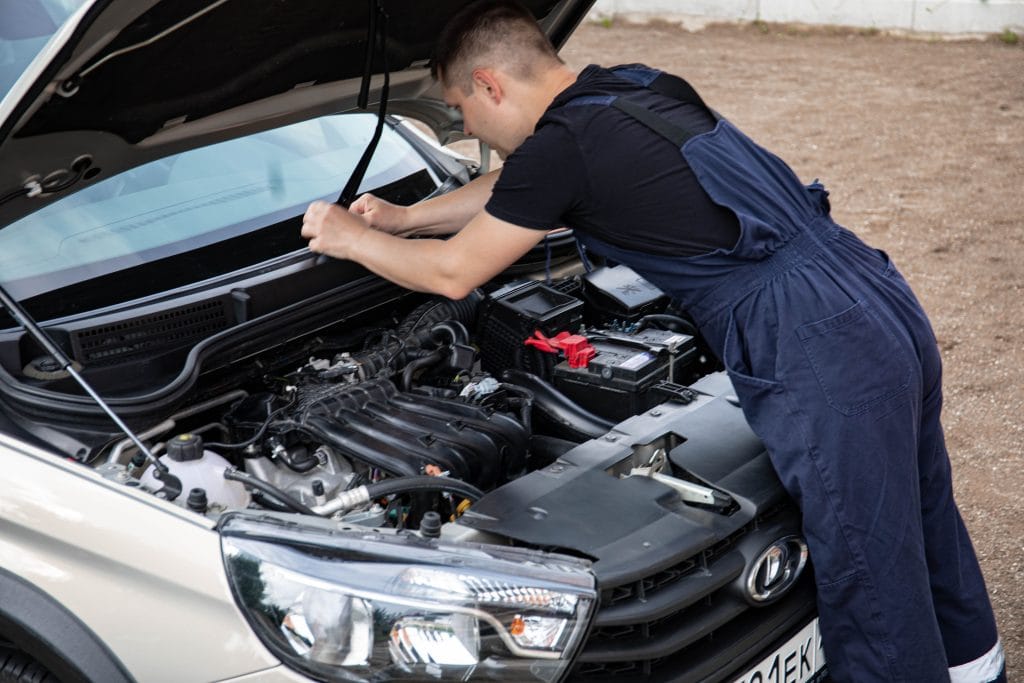
Even a reliable car needs routine maintenance: oil changes, tire rotations, brake pad replacements, and periodic inspections. In a typical first year, routine maintenance alone often runs $500-1,000, and that’s assuming nothing unexpected comes up.
Unexpected repairs are the wildcard in the cost of car ownership. Used cars, in particular, can surprise new owners with issues that weren’t caught during the buying process. Setting aside an emergency repair fund of at least $500-1,000 in your first year is a smart way to avoid these costs derailing your budget.
Registration, Taxes, and Fees
Depending on where you live, registering your car and paying associated taxes can range from under $100 to well over $1,000 in your first year, particularly in states or regions with higher vehicle taxes. This is an easy cost to forget when budgeting, since it often gets paid once and then forgotten — until it’s due again the following year.

Depreciation: The Cost You Don’t See on a Receipt
Depreciation doesn’t show up as a bill, but it’s one of the largest components of the true cost of car ownership. A new car typically loses around 20% of its value in the first year alone, and continues depreciating from there. This matters most if you plan to sell or trade in the car within the next few years, since it directly affects how much of your investment you’ll recover.
Buying a car that’s a few years old, after the steepest depreciation has already happened, is one of the most effective ways to reduce this hidden cost.
Loan Interest, If You’re Financing
If you financed your car, interest is a real cost that adds up over the loan term, even if it doesn’t feel like a separate expense. A longer loan term often means a lower monthly payment but significantly more total interest paid over the life of the loan. Getting pre-approved by a bank or credit union and comparing rates before you finance can meaningfully reduce this cost.
Putting It All Together: A Realistic First-Year Estimate
Here’s a rough breakdown of what a typical first year of car ownership might look like beyond the purchase price, for an average sedan:
- Insurance: $1,200-2,500
- Fuel: $1,500-2,000
- Maintenance and repairs: $500-1,500
- Registration and taxes: $100-1,000
- Depreciation (not an out-of-pocket cost, but a real loss in value): $3,000-5,000 for a new car
Add these up, and it’s easy to see why the true cost of car ownership in year one often lands well above what buyers initially expect, even before accounting for the purchase price itself.
How to Budget Realistically for Your First Year
Rather than being caught off guard, build these costs into your planning from day one. Get insurance quotes before finalizing your purchase, calculate your realistic annual fuel cost based on your actual commute, set aside a maintenance and repair fund even if the car seems reliable, and factor in registration fees for your specific state or region. If you’re financing, compare loan terms carefully rather than focusing only on the monthly payment.
Once you’ve got a handle on ownership costs, make sure the car itself is a smart choice from day one — check out our First Car Buying Guide for tips on picking a reliable vehicle that won’t drain your budget.
Final Thoughts
The true cost of car ownership is rarely just the number on the price tag or the loan agreement. Insurance, fuel, maintenance, registration, depreciation, and interest all combine to make owning a car significantly more expensive than most first-time buyers expect. Planning for these costs upfront, rather than discovering them one bill at a time, is the difference between a first year of ownership that feels manageable and one that feels like a constant series of financial surprises.
Frequently Asked Questions
1. What is the average total cost of car ownership in the first year?
Beyond the purchase price, most owners spend somewhere between $6,000 and $12,000 in the first year on insurance, fuel, maintenance, registration, and other ongoing costs, depending on the vehicle and location.
2. What’s usually the biggest hidden cost of car ownership?
Insurance is often the biggest recurring surprise, especially for new or younger drivers, but depreciation is typically the largest overall cost, even though it doesn’t appear as a direct bill.
3. Does buying a used car really lower the cost of ownership?
Yes, in most cases. Used cars have already gone through their steepest depreciation, and they typically cost less to insure and register than new vehicles, which meaningfully lowers total first-year costs.
4. How much should I budget for car maintenance in the first year?
A reasonable estimate is $500-1,500 for routine maintenance and minor repairs, though this can vary depending on the car’s age, condition, and reliability history.
5. Is it worth getting insurance quotes before buying a car?
Absolutely. Insurance costs can vary significantly between similar-looking vehicles, so getting quotes before you finalize a purchase can prevent an unpleasant surprise and may even influence which car you choose.