
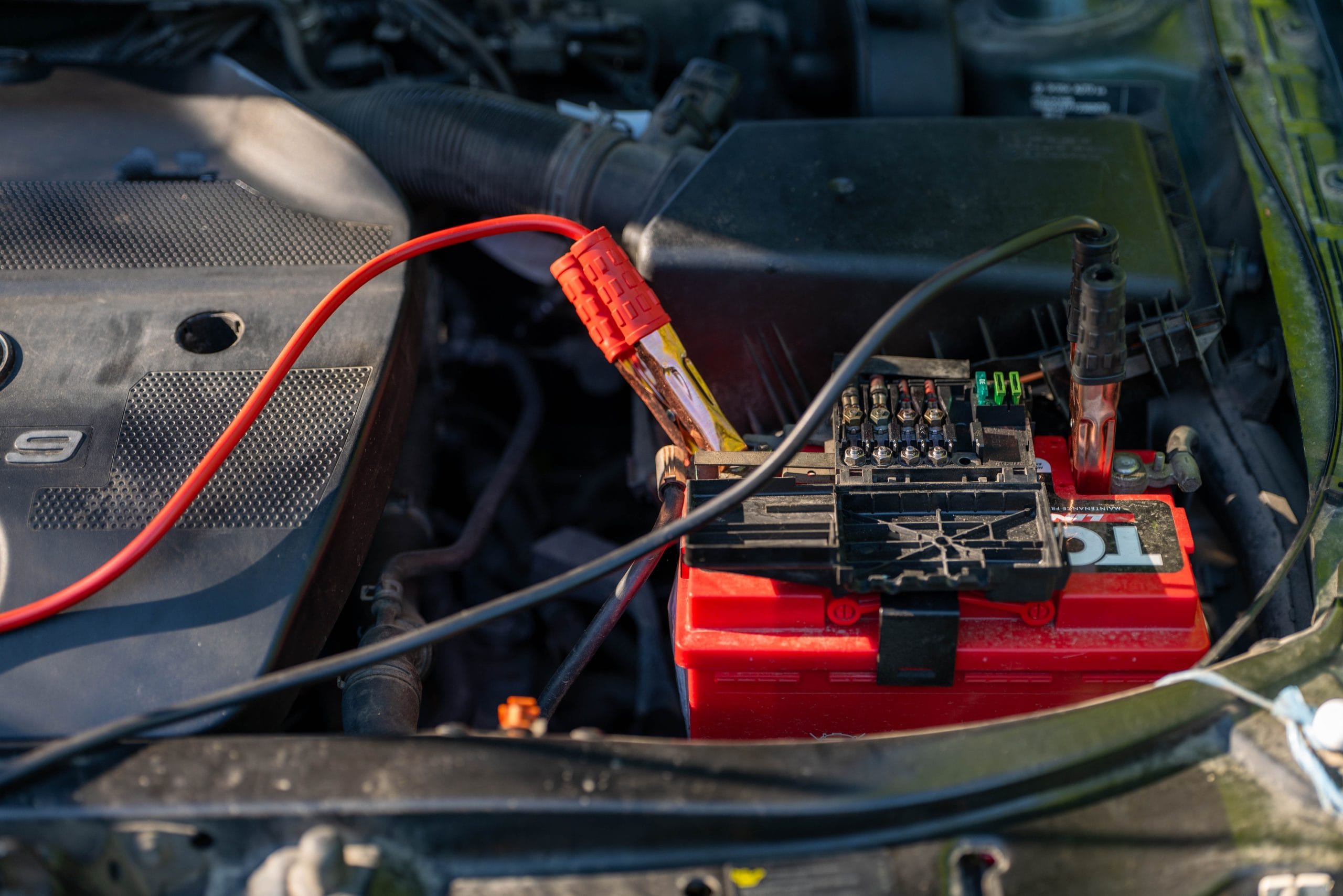

There’s nothing quite like turning your key (or pressing the start button) and hearing… nothing. A dead battery always seems to pick the worst possible moment — right before work, in a parking lot at night, or on a freezing morning when you’re already running late. The good news is that batteries rarely die without warning. They usually give off a handful of clear signals in the days or weeks before they quit completely. Knowing these car battery warning signs can be the difference between a quick trip to the auto parts store and getting stuck on the side of the road.
Here are the seven signs worth paying attention to, plus what to do about each one.
Table of Contents
1. Slow or Sluggish Engine Cranking
This is usually the very first of the car battery warning signs people notice. Instead of your engine turning over quickly, it sounds slower and more labored — almost like the car is struggling to wake up. This happens because the battery no longer holds enough charge to deliver a strong, fast crank.
If you notice this even once, don’t brush it off. A battery that cranks slowly today can fail to start the car at all within days or weeks.
2. Dim or Flickering Headlights
Your headlights, dashboard lights, and interior lights all draw power from the battery (especially when the engine is off or idling). If you notice your headlights looking noticeably dimmer than usual, or flickering when you rev the engine or turn on the AC, it’s often a sign the battery is struggling to keep up with electrical demand.
A quick way to check: turn on your headlights while the car is parked and idling. If they visibly brighten when you rev the engine, that’s a strong clue your battery (or possibly the alternator) needs attention.
3. The Battery Warning Light on Your Dashboard
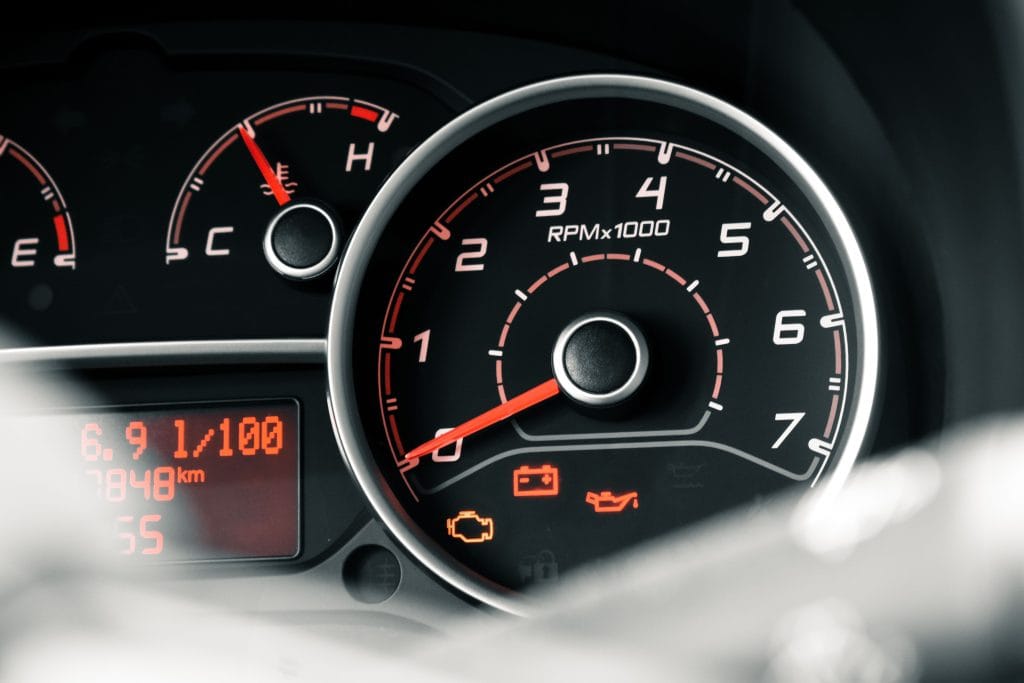
Most modern cars have a dedicated battery-shaped warning light that illuminates when the charging system detects a problem. This doesn’t always mean the battery itself is bad — sometimes it points to an alternator or charging issue — but either way, it’s not something to ignore.
If this light comes on, get your battery and charging system tested as soon as possible, ideally within a day or two.
4. A Swollen or Bloated Battery Case
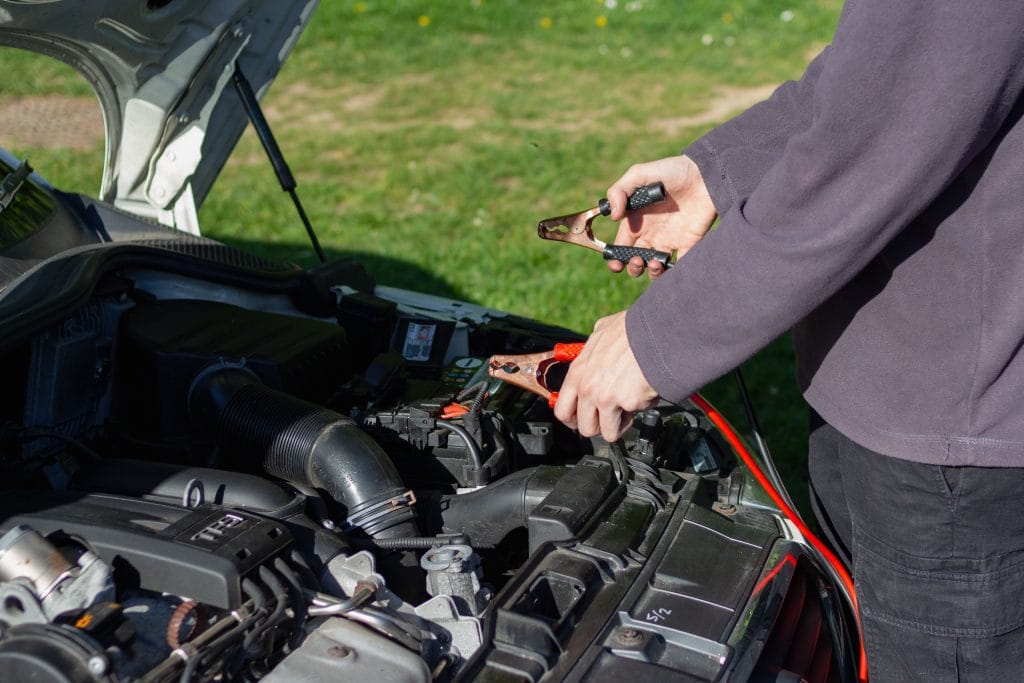
Pop your hood and take a look at the battery itself. If the case looks puffed out, warped, or swollen instead of flat and rectangular, that’s a serious red flag. This usually happens due to extreme heat or overcharging, and it means the battery could fail suddenly — or in rare cases, even leak or rupture.
A swollen battery should be replaced right away rather than waiting for it to fail completely.
5. Corrosion Around the Battery Terminals
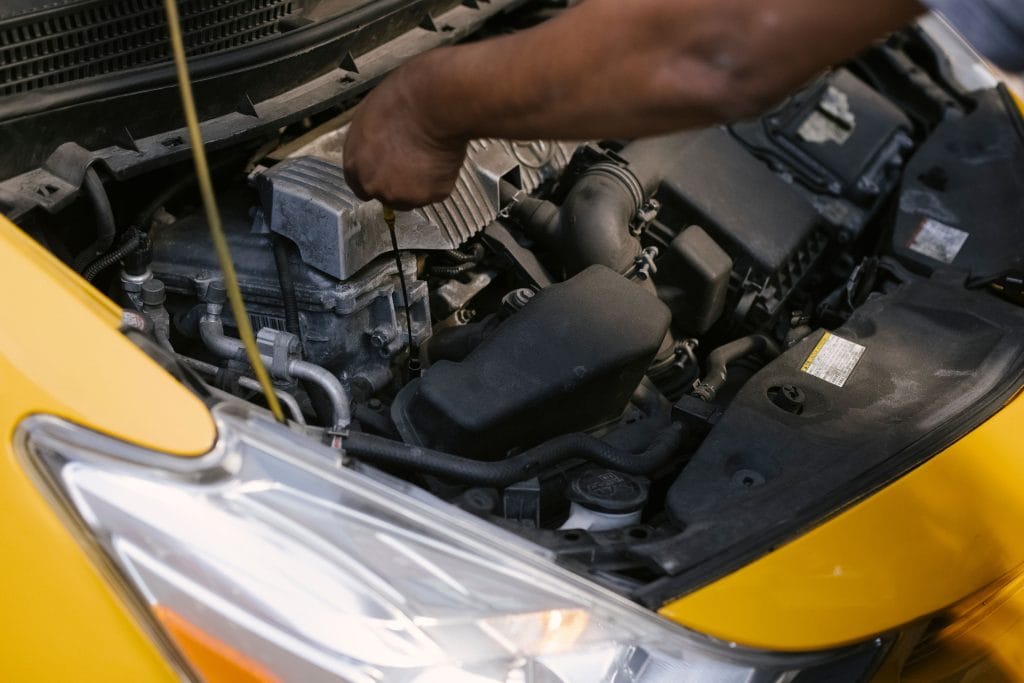
Take a look at the metal terminals where the battery cables connect. A white, blue, or greenish crusty buildup around them is corrosion, and it can interfere with the electrical connection between your battery and the rest of the car. This can cause starting problems even if the battery itself is otherwise healthy.
Mild corrosion can sometimes be cleaned off carefully with a mixture of baking soda and water, but heavy corrosion is often a sign of a bigger battery or charging issue underneath.
6. A Rotten Egg Smell Under the Hood
If you catch a sulfur-like, rotten egg smell near your engine bay, don’t ignore it. This usually means the battery is leaking gas due to internal damage or overcharging. This smell is a clear sign that the battery needs to be inspected and likely replaced soon, since a leaking battery can also damage surrounding components.
7. Your Battery Is Simply Old
Sometimes the clearest of all car battery warning signs isn’t a symptom at all — it’s just age. Most car batteries last between 3 and 5 years, depending on climate, driving habits, and battery quality. If you don’t remember the last time yours was replaced, or if it’s been more than four years, it’s worth having it tested even if it seems to be working fine.
Extreme heat, frequent short trips, and leaving accessories on with the engine off all shorten a battery’s usable life. Testing it proactively before a road trip or winter season can save you from an inconvenient surprise.
What to Do If You Notice These Signs
If you spot one or more of these warning signs, the smartest move is to get your battery tested rather than guessing. Most auto parts stores offer free battery testing, and it only takes a few minutes. A simple voltage and load test will tell you whether your battery needs to be replaced, or whether the issue actually lies with your alternator or charging system instead.
Catching these symptoms early means you get to choose when and where to deal with the problem — instead of your battery choosing for you, usually at the worst possible time.
How to Make Your Car Battery Last Longer
Beyond just watching for warning signs, a few simple habits can actually extend your battery’s lifespan and delay the day you need a replacement. Avoid leaving lights, chargers, or accessories running when the engine is off, since even small parasitic drains add up over time. Try to drive your car regularly for at least 15-20 minutes at a stretch, since short trips don’t give the alternator enough time to fully recharge the battery.
“To keep your car running reliably, check out our Used Car Inspection Checklist for more tips on spotting problems before they turn into costly repairs.”
Car Battery Warning Signs: Frequently Asked Questions
1. How long do car batteries usually last?
Most car batteries last 3-5 years, though extreme heat, frequent short trips, and age can shorten that lifespan. If yours is over 4 years old, it’s a good idea to have it tested periodically.
2. Can a car battery die suddenly without warning?
It’s rare, but possible — especially with sudden extreme temperature swings or a battery that was already weakened by age or a parasitic drain. In most cases, though, one or more of the warning signs above will show up first.
3. Is it the battery or the alternator causing my problem?
A weak battery usually causes slow cranking and dim lights specifically when starting the car. If the car starts fine but the lights or electronics act up while driving, it’s more likely an alternator or charging system issue. A professional load test can confirm which one is failing.
4. Can I jump-start my car if the battery is showing warning signs?
Yes, a jump-start can get you moving temporarily, but it doesn’t fix the underlying problem. If your battery needed a jump once, get it tested soon — it’s likely to leave you stranded again.
5. Is it safe to drive with a swollen battery?
It’s best to avoid it if possible. A swollen battery is more likely to fail suddenly and, in rare cases, leak corrosive material. Get it replaced as soon as you can rather than continuing to drive on it.