
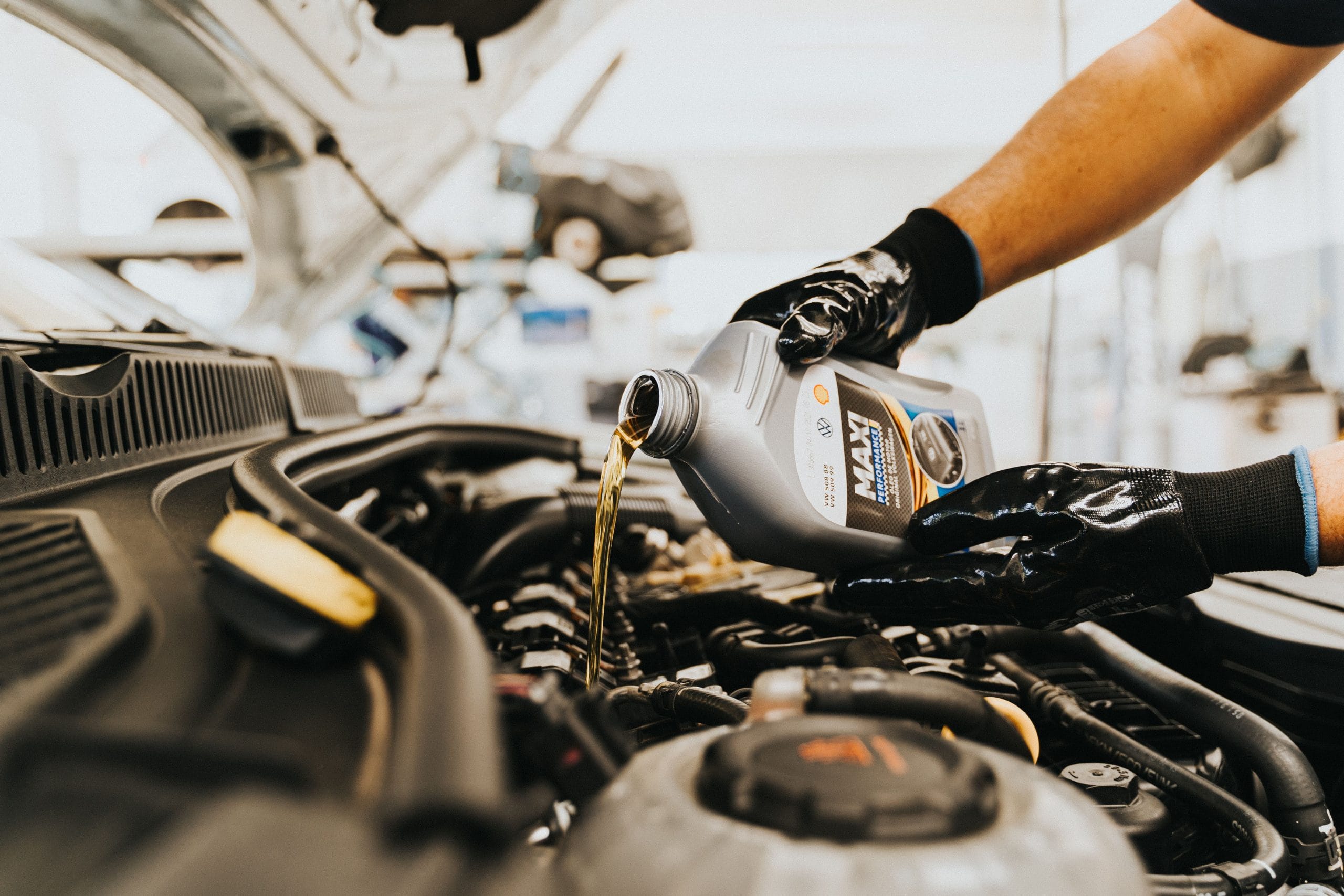

Every time you get an oil change, someone slaps a sticker on your windshield telling you to come back in 3,000 miles. Most drivers just go along with it, because who has time to research something as boring as oil? But here’s the thing: that sticker is usually wrong for your car, and following it blindly means you’re probably spending hundreds of dollars a year on oil changes you don’t actually need. Understanding the real oil change interval for your specific vehicle can save you real money without putting your engine at any extra risk.
Table of Contents
Where the 3,000-Mile Interval Actually Came From
Back in the 1970s and 80s, a 3,000-mile oil change interval made genuine sense. Engines had looser tolerances, and the conventional oil available at the time broke down relatively quickly under heat and friction. Changing it often was the only way to keep an engine properly protected.
That era is long gone. Modern engines are built with tighter clearances and better materials, and oil technology has improved dramatically. Yet the 3,000-mile number stuck around — largely because quick lube shops have every incentive to keep customers coming back often, sticker or no sticker.

What Actually Determines Your Oil Change Interval
There isn’t one universal number, because your ideal oil change interval depends on a combination of factors specific to your car and how you drive it.
Your owner’s manual. This is the single most reliable source of information, because it reflects testing done specifically for your engine. Most manuals list two intervals: one for “normal” driving and one for “severe” driving conditions.
The type of oil you use. Conventional oil typically needs changing every 3,000-5,000 miles. Synthetic blends usually stretch to 5,000-7,500 miles. Full synthetic oil, which most newer cars now use by default, often lasts 7,500-10,000 miles, and sometimes up to 15,000 miles depending on the manufacturer’s specifications.
Your driving habits. Short trips, frequent stop-and-go traffic, towing, or driving in extreme temperatures all count as “severe” conditions, and they shorten the practical interval even if your manual lists a longer number for ideal conditions.

How to Find Your Car’s Exact Interval
If you want the real number instead of a generic estimate, here’s where to look:
- Check your owner’s manual, usually under a section called “Maintenance Schedule” or “Scheduled Maintenance.”
- Look at your dashboard’s oil life monitoring system, if your car has one — many newer vehicles calculate a dynamic interval based on actual driving conditions rather than a flat mileage number.
- Check the oil cap or nearby label under the hood, which sometimes lists the manufacturer-recommended oil type and interval.
- When in doubt, call your dealership’s service department and ask directly — it takes two minutes and removes all the guesswork.

Severe Driving Conditions That Shorten Your Interval
Even a car rated for a 10,000-mile interval under ideal conditions might need oil changes closer to every 5,000-7,500 miles if your daily driving includes:
- Mostly short trips under 10 minutes, where the engine never fully warms up
- Heavy stop-and-go city traffic
- Regular towing or carrying heavy loads
- Driving in very hot, very cold, or dusty environments
- Extended idling, such as with delivery or rideshare driving
If two or more of these describe your typical week, lean toward the shorter end of your manual’s recommended range rather than the longer one.

Signs You Shouldn’t Wait for the Mileage Marker
Sometimes your car tells you it needs an oil change before you hit the recommended mileage. Watch for a dashboard oil change or oil pressure warning light, oil on the dipstick that looks dark and gritty rather than amber and smooth, a noticeably louder or “tickier” engine sound, or a burning smell while driving. Any of these means it’s time for a check regardless of what the odometer says.
What Happens If You Stretch the Interval Too Far
Extending your oil change interval slightly beyond the recommendation usually isn’t catastrophic, but pushing it too far causes old oil to lose its ability to lubricate and cool the engine properly. That leads to increased friction, sludge buildup, and accelerated wear on internal components — problems that are far more expensive to fix than the cost of routine oil changes you skipped to save money.
A typical oil change costs somewhere between $40 and $100 depending on oil type and location. An engine repair caused by prolonged neglect can run into the thousands, making a proper interval one of the cheapest forms of insurance for your car.
“For more tips on keeping your car in top shape, browse our Car Maintenance section.”
Final Thoughts
Forget the generic windshield sticker — the real oil change interval for your car depends on your owner’s manual, the oil type you use, and how you actually drive day to day. Full synthetic oil in a car mostly driven on the highway might comfortably last 10,000 miles between changes, while conventional oil in a car used mainly for short city trips should be changed closer to every 3,000-5,000 miles. Check your manual, pay attention to your driving conditions, and let your car’s actual needs guide the schedule instead of a generic number from decades ago.
Frequently Asked Questions
1. What is the average oil change interval for most cars today?
For cars using full synthetic oil, most manufacturers recommend somewhere between 7,500 and 10,000 miles under normal driving conditions. Always confirm the exact number in your owner’s manual, since it varies by make and model.
2. Does the 3,000-mile oil change interval still apply to any cars?
It can still make sense for older vehicles using conventional oil, or for cars regularly driven under severe conditions like frequent short trips or extreme heat. For most modern vehicles using synthetic oil, it’s unnecessarily frequent.
3. Can I go by time instead of mileage for my oil change interval?
Yes. Most manufacturers also list a time-based interval, often 6-12 months, for drivers who don’t put on many miles. Oil degrades over time even when the car isn’t driven much, so low-mileage drivers still need periodic changes.
4 . Is it bad to change my oil more often than necessary?
It won’t harm your engine, but it’s an unnecessary expense and creates more used oil waste than needed. There’s no performance benefit to changing oil earlier than your manufacturer’s recommended interval.
5. How do I know if my driving counts as “severe” conditions?
If your typical week includes mostly short trips, heavy traffic, towing, or extreme weather, you likely fall under severe conditions. Check the “severe service” schedule in your owner’s manual, since it usually lists a shorter interval specifically for these situations.