


Buying a used car can feel like walking into a poker game where the dealer already knows your cards. But here’s the truth: with the right preparation and mindset, you can walk away with a deal that actually favors you. Learning how to negotiate a used car price isn’t about being aggressive or rude — it’s about being informed, patient, and confident enough to walk away if the numbers don’t work.
Whether you’re buying from a dealership or a private seller, the strategies below will help you approach the table like someone who’s done this before, even if it’s your first time.
Table of Contents
1. Do Your Homework Before You Even See the Car
The single biggest advantage you can have when you negotiate a used car price is knowledge. Before you step foot on a lot or reply to an online listing, spend time researching:
- Market value: Check pricing tools like Kelley Blue Book, Edmunds, or CarGurus to see what similar makes, models, years, and mileage are selling for in your area.
- Vehicle history: Pull a CARFAX or AutoCheck report to check for accidents, title issues, or odometer discrepancies.
- Local inventory: Look at how many similar vehicles are listed nearby. More supply usually means more room to negotiate.
Walking in with actual numbers changes the entire dynamic. Instead of guessing, you can say, “Similar vehicles in this condition are listed for $2,000 less,” and back it up.
Vehicle history: Pull a CARFAX or AutoCheck report to check for accidents, title issues, or odometer discrepancies — and watch for these common used car red flags before you commit to a deal.

2. Get Pre-Approved for Financing
One of the most underrated negotiation tools is arriving with your own financing already lined up through a bank or credit union. When you’re pre-approved, you’re essentially a cash buyer in the seller’s eyes, which strengthens your position significantly.
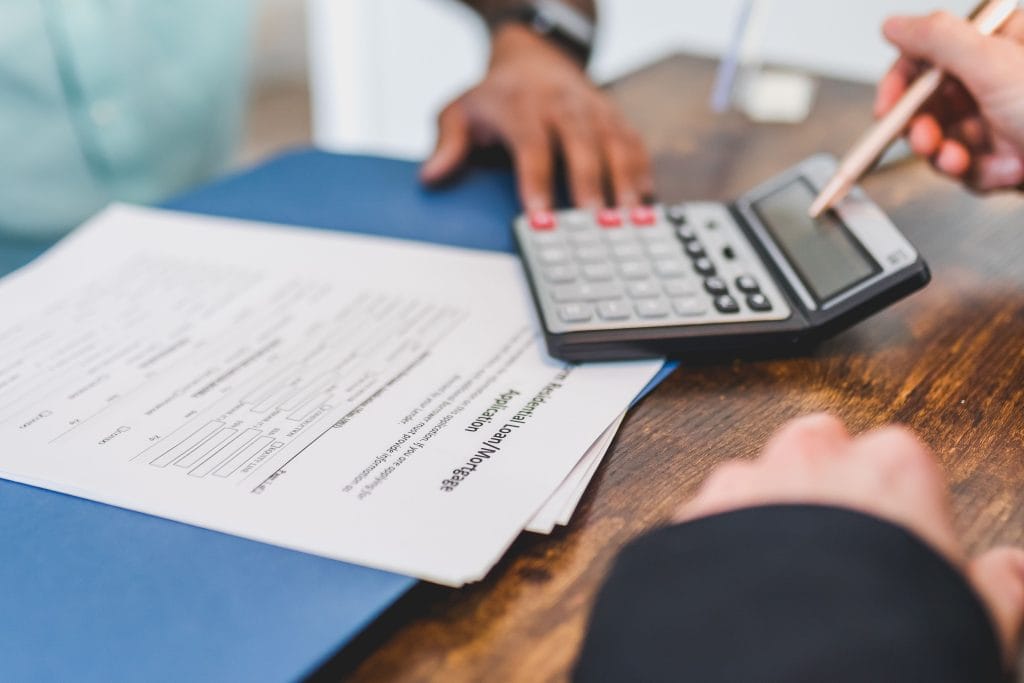
It also protects you from a common dealership tactic: focusing the conversation on monthly payments instead of the total price. A low monthly payment can hide a high interest rate or an inflated sale price stretched over a longer loan term. Always negotiate the out-the-door price first, and worry about payment structure afterward.
3. Inspect the Car Thoroughly — and Mention Every Flaw
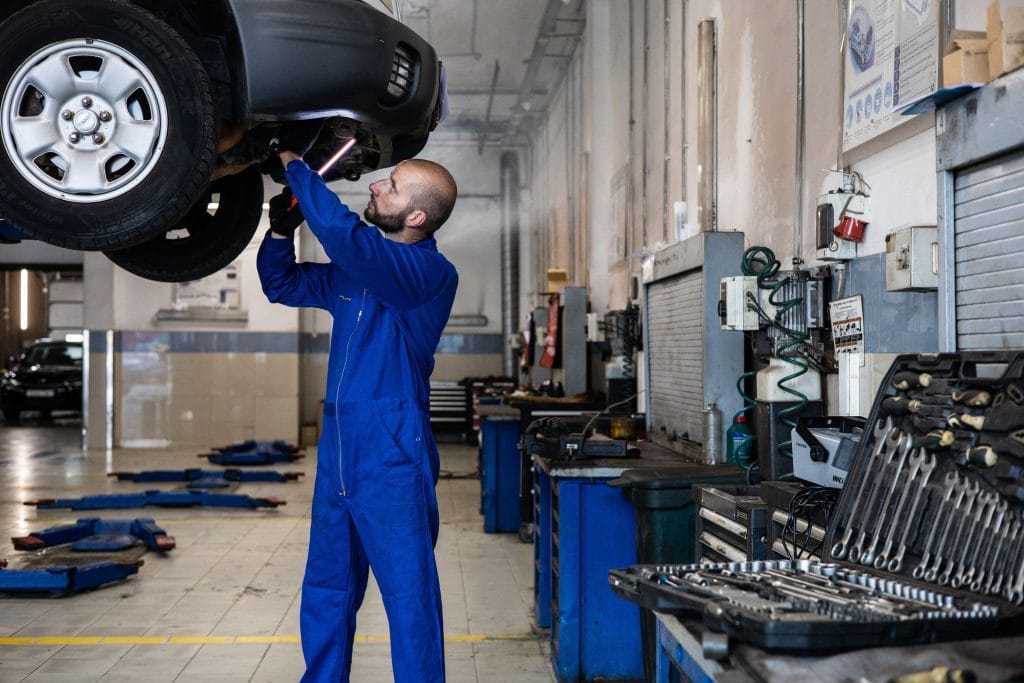
Before any serious negotiation begins, inspect the vehicle carefully — our used car inspection checklist walks you through exactly what to check, or bring along a trusted mechanic for a pre-purchase inspection. Every scratch, worn tire, or mechanical issue you find is potential leverage.
This doesn’t mean nitpicking aggressively — it means having honest, specific points to bring up:
- “The tires look like they’ll need replacing within 6,000 miles.”
- “There’s a small drivetrain noise I noticed during the test drive.”
- “The brakes are due for service soon.”
These aren’t insults to the seller; they’re simply facts that justify a lower offer
4. Let the Seller Name a Price First
If possible, avoid being the one to throw out the first number. Ask the seller what they’re looking to get, or simply reference the listed price. This gives you room to counter based on your research rather than anchoring the negotiation around a number you picked out of thin air.
5. Start Lower Than You’re Willing to Pay — But Stay Reasonable
A classic mistake is either being too timid (offering close to asking price) or too aggressive (offering an insultingly low amount that shuts down the conversation). A good starting offer is typically 10-15% below the asking price, backed by your market research.
For example, if a car is listed at $18,000 and comparable listings show $16,500, opening at $15,500-$16,000 gives you room to negotiate up while still landing near fair market value.
6. Use Silence as a Tool
After you make an offer, stop talking. Many buyers feel the urge to fill silence with justifications or immediately soften their offer. Resist that instinct. Let the seller respond first — silence often pressures the other side to counter rather than reject outright.
7. Negotiate the Total Price, Not Just the Discount
Dealerships are skilled at making you feel like you’re winning by knocking a few hundred dollars off the sticker price, while quietly adding fees elsewhere — documentation fees, add-ons, extended warranties, or inflated dealer prep charges. When you negotiate a used car price, always ask for a full breakdown of the out-the-door cost, including tax, title, and all fees, before agreeing to anything.
8. Be Willing to Walk Away
This is the most powerful tool in any negotiation. If the seller senses you need this specific car, your leverage disappears. Approach every deal with the mindset that there will be other cars, other listings, other opportunities. In many cases, walking away — or simply saying you need to think about it — prompts the seller to call you back with a better offer.
9. Time Your Negotiation Strategically
Timing can quietly work in your favor:
- End of the month — dealerships often push to hit sales quotas.
- End of the model year — sellers want to clear inventory for newer arrivals.
- Weekdays — showrooms are typically quieter, meaning more attention and flexibility from sales staff.
10. Get Everything in Writing
Once you’ve agreed on a price, make sure every detail — the final price, any included services, warranty terms, and fees — is documented in writing before you sign anything or hand over payment.
Not sure which body style fits your lifestyle first? Take a look at our comparison in Sedan vs SUV: Which One Actually Fits Your Life?.
At the end of the day, buying a used car doesn’t have to be a stressful experience. With the right preparation, patience, and confidence, you can walk into any dealership or private sale ready to get a fair deal. Remember that price is rarely fixed — it’s simply a starting point for discussion. Mastering the art of negotiation is a skill that extends far beyond car buying, helping you save money and make smarter decisions in many other areas of life as well.
Frequently Asked Questions
How much can you realistically negotiate off a used car price?
It depends on the vehicle, market demand, and how long it’s been listed, but 5-15% below the asking price is a common realistic range when you have solid market research to back up your offer
Is it rude to negotiate a used car price with a private seller?
No. Negotiating is a normal, expected part of buying a used car, whether it’s from a dealership or a private seller. As long as your offer is reasonable and backed by facts (condition, mileage, market comparisons), it won’t come across as rude
Should I mention I have financing already approved?
Yes, but timing matters. Let the seller know you’re pre-approved once you’re ready to discuss price, since it strengthens your position without giving away your maximum budget too early
What’s the best time of day or month to negotiate a used car price?
End of the month, end of the model year, and quieter weekdays tend to work best, since sales staff are often more motivated to close deals and have more time to negotiate
What is the $3,000 rule for cars?
It’s a budgeting rule of thumb: if you can’t afford at least $3,000 upfront (as a down payment or cash buffer), you’re not financially ready for the full cost of car ownership. Some also use it as a repair threshold — if annual repairs exceed $3,000 on an old car, it’s time to trade it in.
How much does a car salesman make on a $10,000 car?
Usually between $200 and $1,000, since commission is based on the dealership’s profit margin (typically 20–30% of gross profit), not the sale price itself.
Final Thoughts
Learning how to negotiate a used car price like a pro isn’t about tricks or manipulation — it’s about preparation, patience, and knowing your numbers better than the person across the table. Do your research, inspect the vehicle honestly, secure your financing in advance, and never be afraid to walk away. Approach the process calmly and confidently, and you’ll consistently land better deals than buyers who skip these steps.
The next time you’re ready to buy, remember: the best negotiators aren’t the loudest in the room — they’re the most prepared.