

Table of Contents
Buying a used car can save you thousands of dollars — but only if you follow the right used car inspection checklist before handing over your money. Skip it, and a “great deal” can quietly turn into a costly mistake full of repair bills.
This used car inspection checklist walks you through a complete, professional-level process — covering the exterior, interior, engine bay, undercarriage, and test drive — so you can check any car like a pro, even if you’re not a mechanic. Whether you’re buying from a dealer or a private seller, running through this Mismatched paint, milky engine oil, flood odor, uneven tire wear, and inconsistent mileage-to-wear ratio are the top warning signs to watch for on any used car inspection checklist. step by step is the single best way to protect your money.
Why a Used Car Inspection Checklist Matters
A solid used car inspection checklist protects you from three big risks: hidden mechanical problems, prior accident damage, and inflated pricing. Sellers — private or dealer — don’t always disclose issues upfront. Following a structured checklist forces you to look in every corner of the car instead of judging it by how clean it looks or how it sounds when it starts.
What a Good Checklist Reveals
Even a 30-minute inspection using the right used car inspection checklist can uncover:
- Frame or accident damage
- Engine oil leaks or worn belts
- Rust in critical areas
- Uneven tire wear pointing to alignment issues
- Electrical faults in lights, sensors, or infotainment
If you want a broader view of what to look for before test driving, Consumer Reports’ used car buying guide is a helpful outside reference to cross-check against this list.
What to Bring to the Inspection
Before you start your used car inspection checklist, gather these tools:
- Flashlight – to check dark areas like wheel wells and under the hood
- Magnet – to detect body filler (won’t stick over filler, will stick to metal)
- Tire tread depth gauge – or a simple coin for a quick check
- OBD2 scanner – to read stored engine fault codes
- Microfiber cloth – to wipe dipsticks and check fluid color
- Notebook or phone – to record VIN, mileage, and observations
Always inspect the car in daylight, never in the rain, and never right after the seller has washed the engine bay — that can be a red flag hiding leaks.
Step 1–3: Exterior Body Inspection
Walk around the car slowly and check each panel gap and paint section — this is one of the first stages of any reliable used car inspection checklist.
Panel Gaps and Paint Match
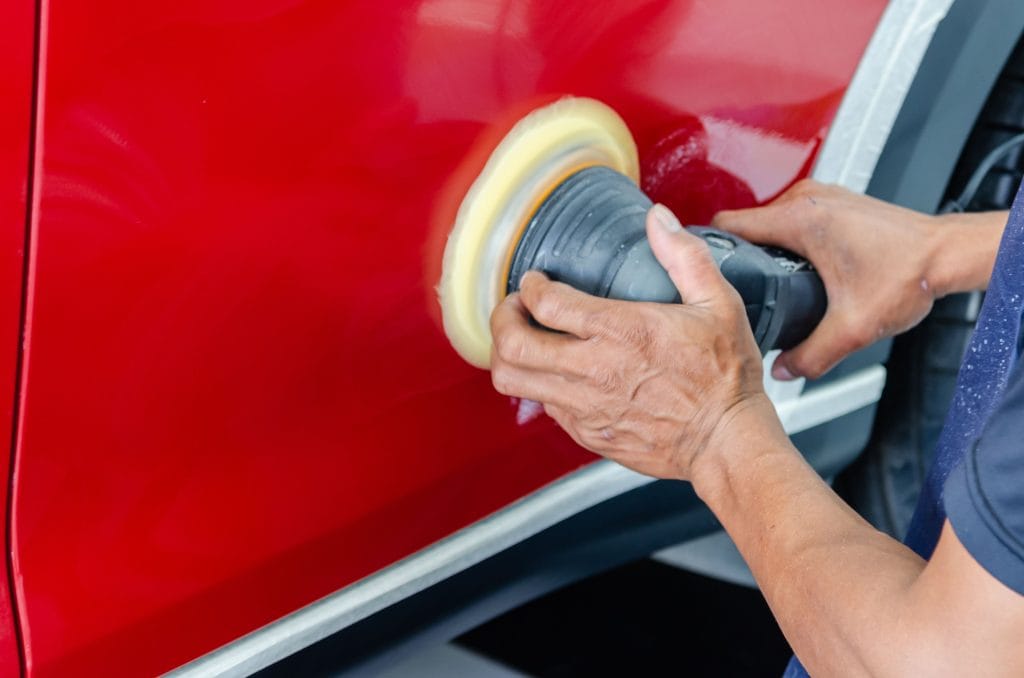
Uneven gaps between doors, hood, and trunk can indicate previous accident repair. Stand at an angle and look for slight color differences between panels, which is a common sign of repainting.
Rust and Glass Check
Inspect wheel arches, door bottoms, the trunk floor, and the underside of the car for rust or bubbling paint. Check for cracks in the windshield, condensation inside headlights, and matching light lenses — mismatched lenses can mean a replaced part after a collision.
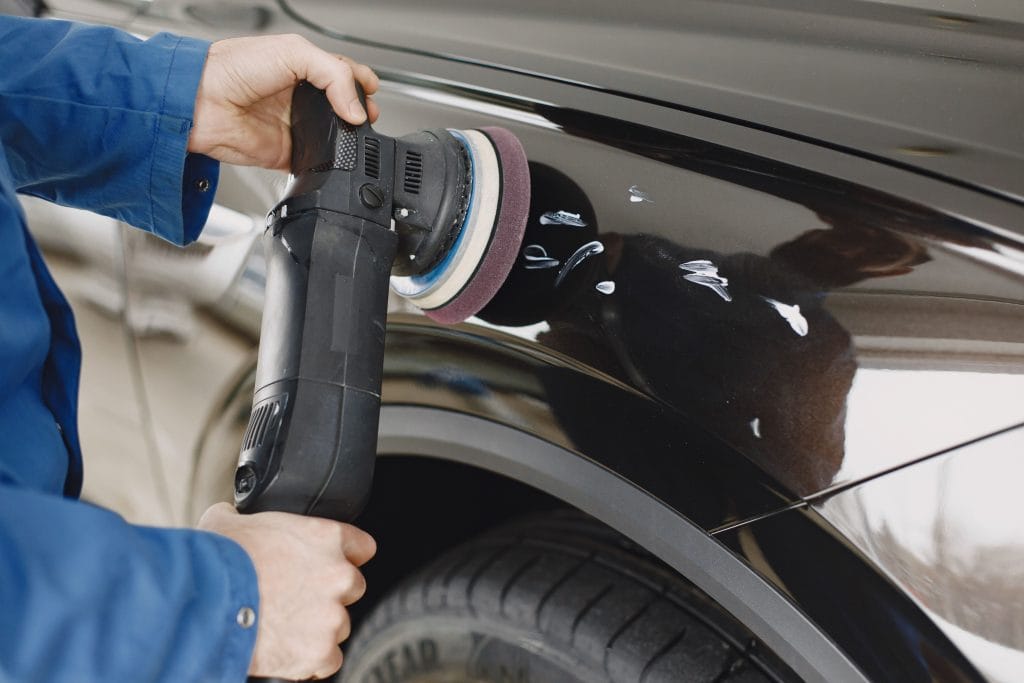
Magnet Test
Run a magnet gently over the fenders and doors. If it doesn’t stick, there may be body filler underneath, which is a sign of prior damage.
Step 4–6: Interior Inspection
Sit inside and go through every function as the next part of your used car inspection checklist.
Seats, Smell, and Warning Lights
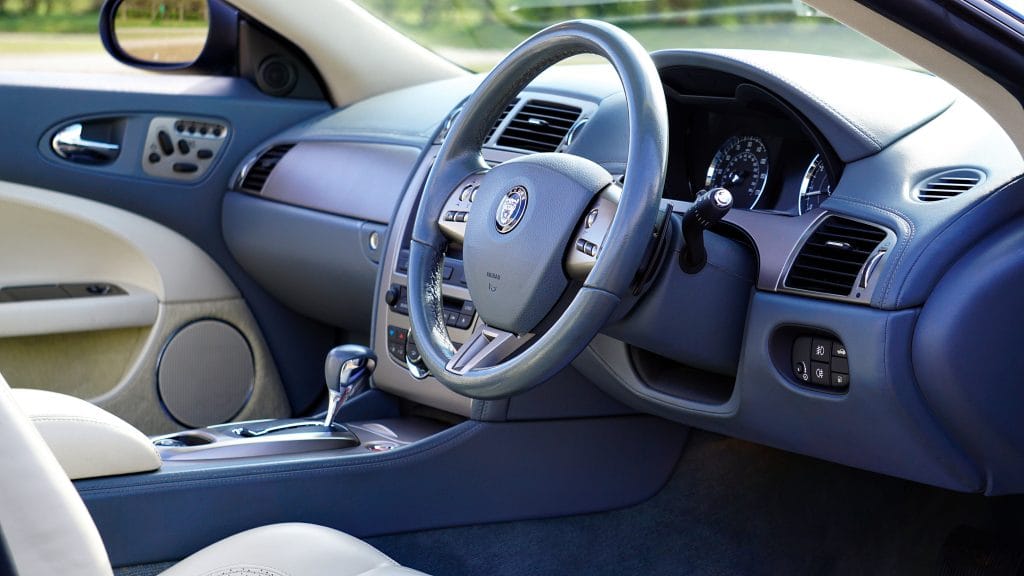
Check for excessive wear on seats and pedals relative to the mileage claimed. Turn the key to “on” and confirm all dashboard warning lights illuminate, then turn off shortly after the engine starts. A musty smell inside the cabin can indicate water damage or flooding.
Electronics and Mileage Consistency
Test the AC, heater, windows, mirrors, infotainment screen, and Bluetooth. Compare the odometer reading with the wear on the pedals, steering wheel, and seat — a mismatch is a red flag worth asking the seller about directly.
Step 7–9: Engine Bay Inspection
This is where a used car inspection checklist becomes most valuable, since engine problems are the most expensive to fix.
Fluids and Leaks
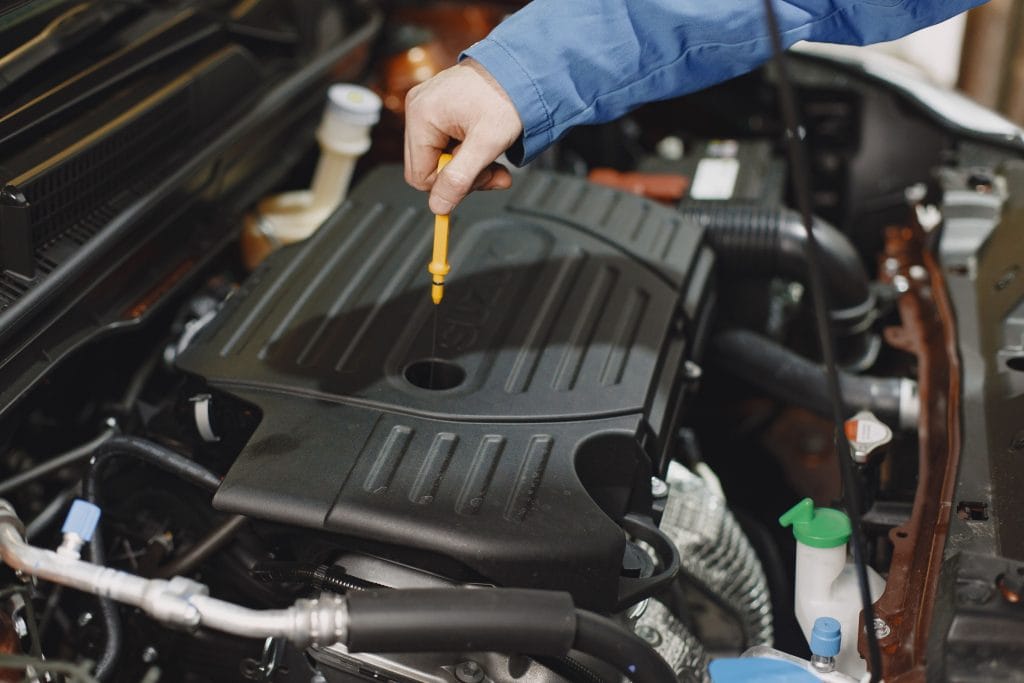
Pull the dipstick — oil should be amber to dark brown, not black, milky, or gritty. Milky oil can mean a blown head gasket. Coolant should be clean, not rusty or oily. Look underneath the engine for oil or coolant stains.
Belts, Hoses, and Battery
Look for cracks, fraying, or soft, bulging hoses. Check battery terminals for corrosion, since heavy corrosion can point to a weak charging system.
Fault Code Scan
Plug in an OBD2 scanner to check for stored or cleared fault codes. Start the engine cold if possible — a rough start, excessive smoke, or a knocking noise on cold start is a major warning sign.
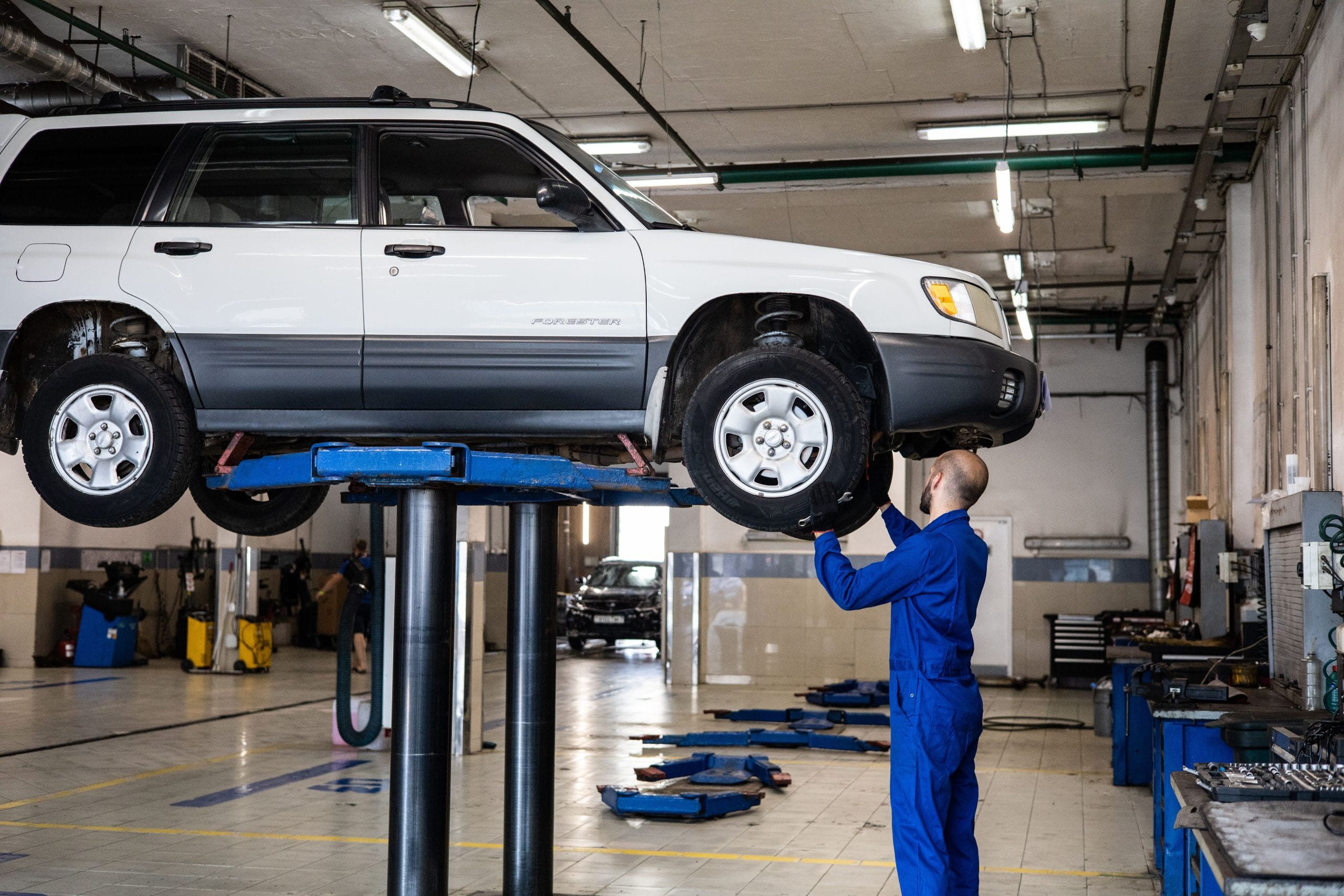
Step 10–11: Undercarriage and Suspension Check
Use a flashlight to look underneath the car as part of this used car inspection checklist.
Frame and Rust
Check for rust, especially around the frame rails and subframe. Look for fresh undercoating, which can be used to hide rust or accident repairs.
Suspension Bounce Test
Press down on each corner of the car — it should bounce once and settle. Excessive bouncing indicates worn shocks. Inspect exhaust pipes for rust holes or recent welding.
Step 12: Tires and Wheels
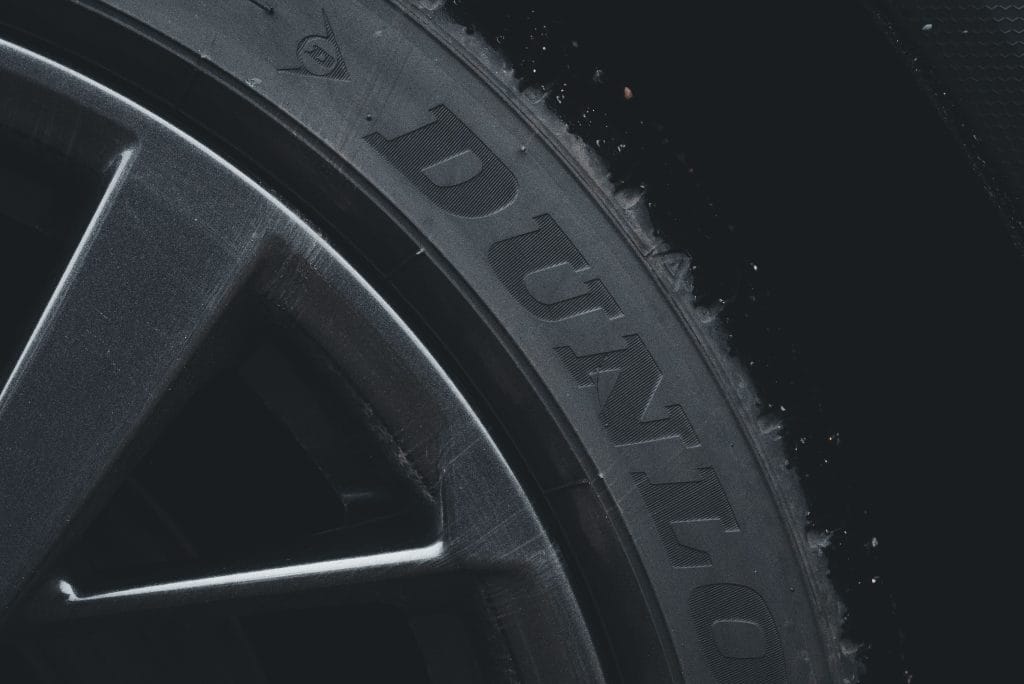
- Tread depth: Use a gauge or the coin test; uneven wear across the tire can signal alignment or suspension issues.
- Tire brand match: All four tires should ideally be the same brand and similar wear — mismatched tires can mean a repair was needed after an accident.
- Wheel damage: Check rims for curb rash, cracks, or bends.
Step 13: Test Drive Checklist
Never skip the test drive — this is where most hidden issues reveal themselves, and no used car inspection checklist is complete without it.
- Acceleration: Should be smooth with no hesitation or delayed shifting.
- Braking: No pulling to one side, no grinding noise, no soft or spongy pedal.
- Steering: No vibration, pulling, or looseness.
- Noises: Listen for clunks over bumps, whining from the transmission, or rattling from the exhaust.
- Highway speed: Test at higher speed to check for vibration or wind noise from seals.

Step 14: Documents and History Check
A complete used car inspection checklist isn’t only physical — paperwork matters just as much.
- Vehicle history report: Check for accident records, title status (salvage, rebuilt, flood), and ownership history using the VIN. Services like Carfax or the NHTSA VIN lookup tool can confirm this in minutes.
- Service records: Look for regular maintenance, especially timing belt and major service intervals.
- Title match: Confirm the seller’s name matches the title.
- Recall check: Verify there are no open manufacturer recalls through the NHTSA recall database linked above.
Step 15: Final Verdict — Should You Buy?
After completing every step of this used car inspection checklist, weigh the findings:
- Minor issues (worn wipers, small scratches) are negotiable and low-risk.
- Moderate issues (tire wear, minor fluid leaks) should be factored into your offer price.
- Major red flags (frame damage, engine knocking, flood odor, mismatched panels) are reasons to walk away entirely, regardless of price.
If you’re not fully confident running through this used car inspection checklist yourself, it’s worth paying for a pre-purchase inspection (PPI) from an independent mechanic — it typically costs far less than a surprise repair bill later.
“For a deeper look at warning signs beyond the basics, check out our full guide on 10 Used Car Red Flags You Should Never Ignore.”
FAQ
How long does a full used car inspection take?
A thorough used car inspection checklist typically takes 45–60 minutes, plus a 15–20 minute test drive.
Can I do this inspection without mechanical knowledge?
Yes. Most of this checklist relies on visual checks, smell, sound, and simple tools like a flashlight and magnet — no mechanical expertise required.
Is a pre-purchase inspection worth the cost?
Yes, especially for higher-mileage vehicles. A professional PPI can catch issues that aren’t visible during a basic walk-around inspection.
What are the biggest red flags when buying a used car?
Mismatched paint, milky engine oil, flood odor, uneven tire wear, and inconsistent mileage-to-wear ratio are the top warning signs to watch for on any used car inspection checklist.