
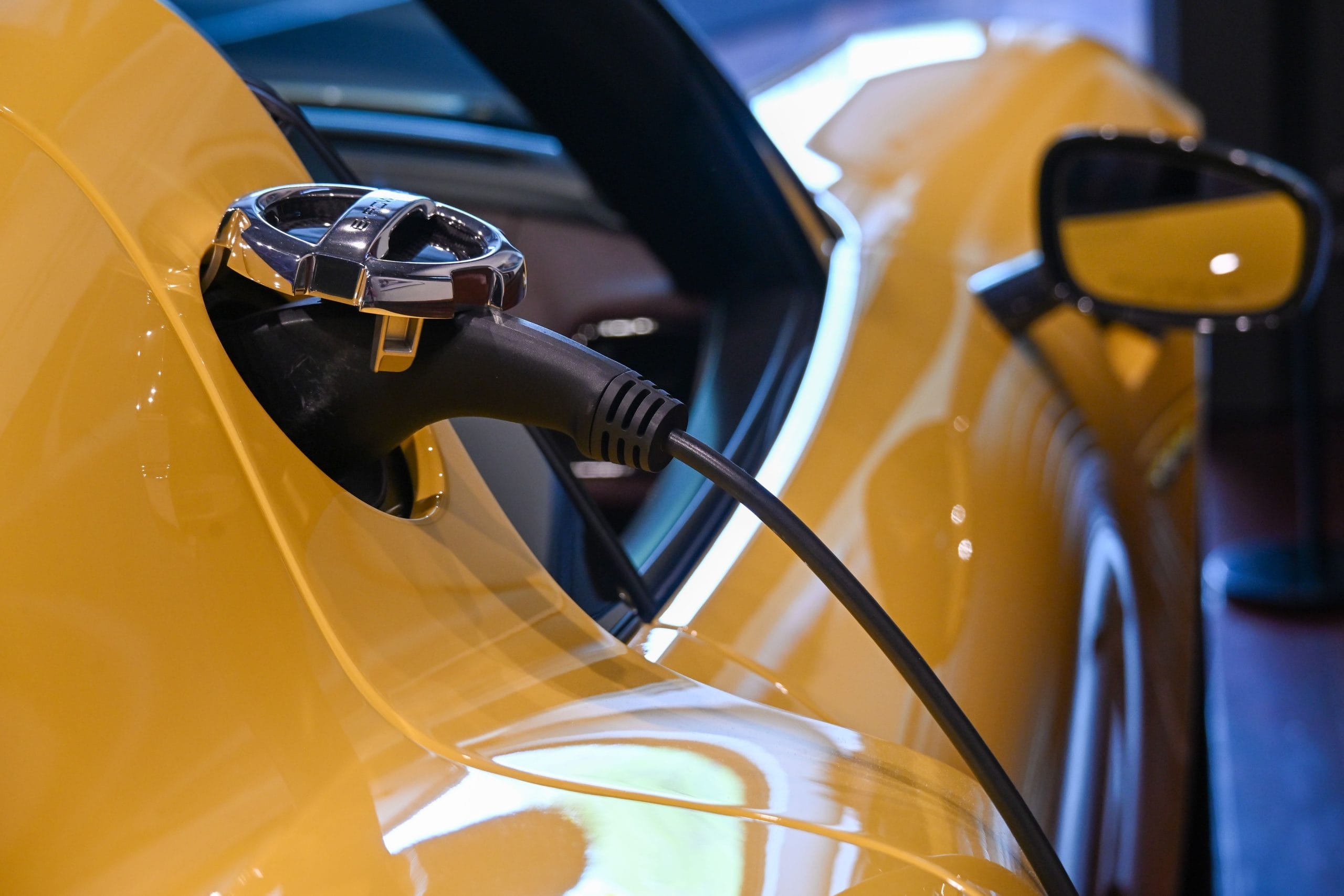

Gas vs Hybrid vs Electric — every car shopper eventually asks the same question: which powertrain actually saves money? The sticker price tells you almost nothing on its own. What matters is the total cost of ownership — what you’ll spend on fuel, maintenance, insurance, and depreciation over the years you actually keep the car. Run those numbers, and the “obvious” choice isn’t always so obvious.
We broke down the real costs of gas, hybrid, and electric vehicles so you can see where your money actually goes — not just at the dealership, but over five years of ownership
Table of Contents
Purchase Price: Gas vs Hybrid vs Electric — Gas Wins on Day One
There’s no getting around it — gas vehicles are still the cheapest to buy. Hybrids typically carry a premium of $2,000 to $4,000 over a comparable gas model, largely due to the added battery and electric motor components. Electric vehicles sit at the top of the price ladder, often costing $5,000 to $15,000 more than a similarly sized gas car before any incentives.
When comparing Gas vs Hybrid vs Electric, the upfront purchase price is one of the biggest factors to consider. That gap has narrowed in recent years as EV production has scaled up and battery costs have come down, but it hasn’t disappeared. If your budget is tight at the moment of purchase, gas is still the path of least resistance.
One important note for 2026 buyers: the federal EV tax credit that used to soften this gap ended for vehicles purchased after September 30, 2025. Some state-level incentives remain, but they vary widely, so it’s worth checking what’s available in your area before assuming a big discount.

Fuel Costs: Gas vs Hybrid vs Electric — Where Electric Pulls Ahead
This is where the math starts shifting in the EV’s favor — but only under the right conditions.
Gas vehicles are the most exposed to price swings at the pump. With national gas prices fluctuating and periodically spiking due to supply disruptions, a driver covering 15,000 miles a year in a car averaging 25–30 mpg can expect real volatility in their annual fuel spend, sometimes running well over $2,000 a year.
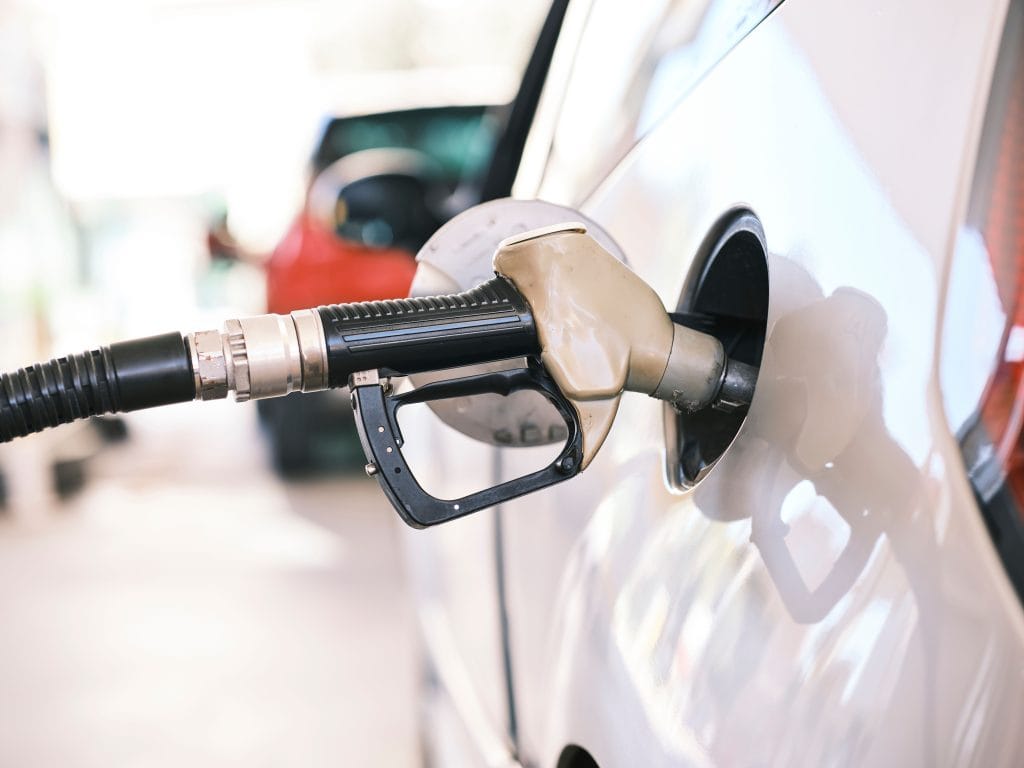
Hybrids insulate you from a lot of that volatility just by using less gas. A typical hybrid gets 40–55 mpg combined compared to 25–32 mpg for a similar gas model, which translates to roughly $600 to $1,200 in annual fuel savings for the average driver.
When comparing Gas vs Hybrid vs Electric, electric vehicles offer the biggest savings, but almost entirely if you can charge at home. Home charging costs the rough equivalent of $1 per gallon in most parts of the country, and owners who plug in overnight typically spend $35 to $60 a month on “fuel” versus $120 to $180 for a comparable gas car. A commuter driving 15,000 miles a year can save $1,200 to $1,800 annually compared to gas.
The catch: if you rely on public DC fast charging instead of a home outlet, that advantage shrinks fast. Public fast-charging rates can climb to $0.13–$0.20 per mile, which puts the cost close to — or even above — what you’d pay to fuel an efficient hybrid. Home charging access is arguably the single biggest variable in whether an EV actually saves you money.
Maintenance: Fewer Moving Parts, Fewer Bills
When comparing Gas vs Hybrid vs Electric, maintenance costs reveal one of the biggest long-term differences between these three powertrains. Gas engines have hundreds of moving parts that wear out — oil changes, spark plugs, belts, exhaust systems, transmission service. Over time, that adds up.
Hybrids carry most of that same gas-engine maintenance, plus a battery system that’s proven remarkably durable in recent years. The one caveat: eventual hybrid battery replacement, which now typically runs $2,000 to $4,000 — a cost that’s dropped significantly compared to a decade ago, but still worth budgeting for if you plan to keep the car long-term.
Electric vehicles have the simplest drivetrains of the three, with no oil changes, no exhaust system, and far fewer parts that experience friction-based wear. Annual EV maintenance tends to average $150 to $400, compared to $900 to $1,800 for a typical gas vehicle. Over five years, that gap alone can mean thousands of dollars in savings — though EV-specific repairs, when they do happen, can be more expensive per incident due to specialized parts and labor.

Insurance and Depreciation: The EV’s Weak Spots
Fuel and maintenance tell a flattering story for electric vehicles, but insurance and depreciation pull in the other direction.
EVs generally cost more to insure, largely because repair costs — especially anything involving the battery pack — run higher than repairing a gas vehicle. Depreciation has also historically hit EVs harder, though this has started to stabilize as the used EV market matures and demand grows.
Hybrids tend to hold their value well, largely due to their reputation for reliability and fuel efficiency. Gas vehicles depreciate in a fairly predictable, well-understood pattern that most buyers are already used to pricing into their decision.

So Which One Actually Costs Less?
It depends heavily on how you drive and where you charge — but here’s the general shape of it over a five-year ownership period:
- If you drive average or above-average annual mileage and can charge at home, an EV will often come out several thousand dollars ahead of both a hybrid and a gas car, once fuel and maintenance savings are factored in — even with the higher purchase price.
- If you don’t have reliable home charging, a hybrid is usually the safer bet. You get meaningful fuel savings over a gas car without depending on charging infrastructure, and the maintenance profile is familiar and predictable.
- If you drive low annual mileage or frequently take long trips without easy charging access, a gas vehicle may still make the most financial sense, since you won’t rack up enough fuel or maintenance savings to offset the price premium of a hybrid or EV.
If you’re still leaning toward a gas-powered vehicle, our guide on Road Tripping Gas Guzzler Style: 5 Reasons It’s Still Best explores why traditional gas cars remain a popular choice for long road trips.
Frequently Asked Questions
Which is cheaper overall — gas, hybrid, or electric?
It depends on your driving habits and charging access. If you drive average or above-average miles and can charge at home, an electric vehicle usually costs the least over 5 years despite its higher purchase price. Without home charging, a hybrid is often the safer, more predictable choice. For low-mileage drivers, a gas car can still come out ahead since it won’t rack up enough savings elsewhere to offset a hybrid or EV’s price premium.
Is an electric car actually cheaper than a gas car?
Over time, often yes — but mainly for drivers who charge at home. Home charging costs the rough equivalent of $1 per gallon, and EV maintenance runs significantly lower than gas vehicle maintenance. However, EVs cost more upfront and typically cost more to insure, so the savings take a few years to catch up.
How much can I save on fuel with a hybrid vs a gas car?
Most hybrid drivers save roughly $600 to $1,200 per year on fuel compared to a similar gas vehicle, thanks to significantly better combined mpg (40–55 mpg vs 25–32 mpg for gas).
Do electric cars really cost less to maintain?
Yes. EVs have far fewer moving parts — no oil changes, no exhaust system — which brings annual maintenance down to roughly $150–$400, compared to $900–$1,800 for a typical gas car. Over 5 years, that’s a meaningful gap.
Is charging an EV at public stations still cheaper than gas?
Not always. Public DC fast charging can cost $0.13–$0.20 per mile, which can rival or even exceed the cost of fueling an efficient hybrid. The big EV savings really only show up with home charging.
The Bottom Line
There’s no universal winner here — the “cheapest” option is the one that matches your actual driving habits and access to charging, not just the one with the best headline fuel economy number. Before you decide, it’s worth running your own numbers: your annual mileage, your local gas and electricity prices, and whether home charging is realistically available to you. That’s the calculation that actually determines what you’ll pay over the life of the car — not the sticker price you see on day one.